Vision Power: Build Motivation for Tomorrow
Vision Power: Build Motivation for Tomorrow
People don’t stay motivated because life gets easier. They stay motivated because the future gets clearer, and suddenly the hard stuff today starts to mean something. That’s the real engine behind vision and motivation: a tomorrow worth fighting for.
If your goals feel flat, vague, or borrowed from someone else’s highlight reel, of course discipline feels heavy. You’re pushing a cart with no destination. But when your future has shape, direction, and purpose, even boring daily habits start to feel like part of a quest.
That’s what this article is about: how a compelling future gives you momentum now, why clear goals beat wishful thinking, and how to turn a distant idea into something you can actually move toward one day at a time.
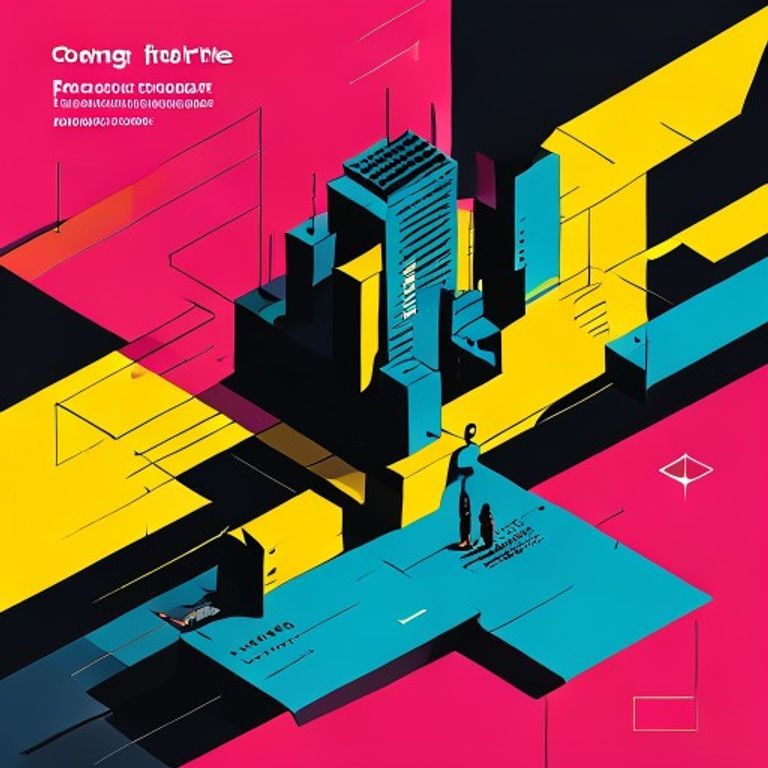
A clear future works like a quest marker: it doesn’t remove the climb, but it makes every step feel worth taking.
Why does a compelling vision create motivation?
Because pain is easier to carry when it has a point. A hard workout, a late-night study session, or a messy season of building something new feels different when you can see where it leads. Without that future vision, effort just feels like effort. With it, effort becomes investment.
Here’s the thing: your brain is not impressed by abstract promises. “Get fit” sounds nice, but it doesn’t tell you what your life will look like, feel like, or change because of it. “I want more energy so I can stop crashing at 3 p.m. and actually enjoy weekends with my kids” hits differently. That’s not just a goal. That’s a reason.
Vague goals fail because they don’t create emotional gravity. They sit there like unmarked side quests nobody wants to start. A compelling vision, on the other hand, pulls you forward. It gives your present actions a future consequence, and that connection is where motivation lives.
Think about the difference between wishing and being pulled. Wishing says, “I should probably get better at coding.” Being pulled says, “I’m building the skill that gets me out of a job I hate and into work I actually respect.” One is a maybe. The other has direction.
That’s why people can endure discomfort when the destination matters. They’ll wake up early, say no to distractions, and keep going after a bad day if they can picture the payoff. In RPG terms, the quest marker is visible. You know where you’re headed, so every small mission has context.
And that context changes your identity. You stop asking, “How do I force myself to do this?” and start asking, “What would the person I’m becoming do next?” That shift builds self-belief, because progress stops feeling random. It starts feeling earned.
💡 Clear vision beats loud motivation
If you keep losing motivation, don’t start by demanding more discipline. Start by making the future more vivid. Write down one long-term goal in plain language, then answer this: what changes in your daily life if you actually get there? That answer is your fuel.
This is also why so many people stall out after the first burst of excitement. The initial hype fades, but the destination was never strong enough to carry the work. Real momentum comes from clarity, not adrenaline. When the vision is sharp, commitment gets easier because you’re not guessing anymore.
And clarity doesn’t mean having your whole life mapped out. It means knowing the next meaningful horizon. Maybe that’s finishing a portfolio, paying off debt, building a stronger body, or finally creating something you’re proud to share. The more specific the destination, the more your daily habits start lining up behind it.
That’s the real power here: a compelling vision doesn’t erase struggle, but it makes struggle make sense. It turns random effort into progress. It gives your present pain a job to do, and once that happens, motivation stops being a mystery and starts becoming a system.
How do you turn an abstract vision into daily action?
Big vision sounds inspiring until you sit down on a Tuesday and realize you still have to do the work. That’s where most people stall. The fix is simple: stop treating your future like one giant mountain and start turning it into a chain of small wins you can complete this week.
Here’s the thing. Motivation gets traction when your brain can see the next move. If your goal is “get fit,” that’s fog. If your goal is “walk 20 minutes after lunch on Monday, Wednesday, and Friday,” that’s a quest you can actually finish. You’re not waiting for a dramatic life overhaul. You’re stacking XP.
💡 Make the future smaller
Take your long-term goal and break it into one-week milestones. Want to write a book? This week’s win is 500 words a day. Want to save money? This week’s win is tracking every expense and skipping one takeout order. Small enough to start. Clear enough to finish.
Then pick one daily non-negotiable habit that proves you’re serious. Not five habits. One. If your vision is better health, maybe it’s a 10-minute strength circuit every morning. If your vision is a stronger business, maybe it’s 30 minutes of deep work before email. The point is consistency, not heroics.
This is where discipline stops feeling abstract. A daily habit is the bridge between your current self and your future self. Miss a day, and the vision gets blurry. Hit the habit, and you reinforce self-belief. You start thinking, “I’m the kind of person who follows through.” That identity shift matters more than hype ever will.
%2C%20flat%20colors%2C%20NO%20gradients%0A-%20Color%20palette%3A%20Bright%20yellow%20(%23FFD60A)%2C%20hot%20pink%20(%23FF2D78)%2C%20cyan%20(%2300E5FF)%2C%20white%20backgrounds%2C%20black%20outlines%0A-%20Geometry%3A%20Sharp%20angular%20shapes%2C%20NO%20rounded%20corners%2C%20NO%20soft%20edges%0A-%20Shadows%3A%20Hard-edged%20offset%20drop%20shadows%20(black%2C%20no%20blur)%2C%20positioned%20bottom-right%0A-%20Mood%3A%20Modern%2C%20energetic%2C%20slightly%20playful%20%E2%80%94%20tech%20startup%20meets%20graphic%20novel%0A-%20Composition%3A%20Clean%20and%20uncluttered%2C%20strong%20focal%20point%2C%20works%20w?width=1024&height=1024&nologo=true&seed=135832)
Visible progress turns vague ambition into something you can actually steer.
Now make the progress visible. Use a paper tracker, notes app, or habit grid and mark every completed day. Three checkmarks can feel small, but they change the mood fast. You stop guessing whether you’re improving and start seeing it. That visible streak is momentum, and momentum is addictive in the best way.
Think of it like leveling up through small XP gains instead of waiting for one giant victory. Ten minutes of work is worth more than a perfect plan you never start. The daily grind becomes less about willpower and more about keeping your chain alive.
If you want the cleanest version of this, use a simple rule: one weekly milestone, one daily habit, one visible tracker. That’s enough to turn vision into movement. And once you feel movement, motivation has something real to attach to.
What blocks motivation when the future feels unclear?
Unclear vision kills motivation faster than hard work ever will. When the future feels fuzzy, your brain stops seeing a path and starts seeing risk, which is why even simple tasks suddenly feel heavy.
Think of it like a fog-of-war zone in an RPG. You can’t move confidently until the next objective is revealed, and every step feels expensive because you’re guessing instead of advancing with purpose.
💡 The real enemy is uncertainty, not effort
Most people think they need more discipline. Often, they need more clarity. When the target keeps shifting, your energy gets spent on mental debate, not execution.
The biggest vision killers are the ones that look “reasonable”
Fear makes you shrink the goal before you even start. Comparison makes your path feel behind, even when you’re on schedule for your own life. Perfectionism tells you to wait until the plan is flawless, which is just procrastination wearing clean clothes.
Here’s the thing: these blocks don’t always feel dramatic. Sometimes they show up as “I need to think about it more,” or “I’m not ready yet.” But that pause can quietly drain weeks of momentum.
Why uncertainty drains energy more than effort does
Effort has a visible cost. Uncertainty has a hidden one. When you don’t know what matters, you keep reopening the same decision loop: Should I focus on career, health, money, or relationships? That mental churn burns focus before the day even starts.
A simple example: someone with a vague goal like “get my life together” can spend 45 minutes planning and still feel stuck. Someone with a clear goal like “apply to three jobs by Friday” can start in five minutes because the next move is obvious.
How do you reset motivation fast?
Use this three-step reset when your future feels too big or too blurry:
- Simplify the target. Shrink “build a new career” into one outcome, like “finish my portfolio draft.”
- Reduce the timeline. Stop planning the next year. Plan the next 7 days. Clarity gets sharper when the horizon gets shorter.
- Recommit to one next step. Make it physical and specific: send the email, open the doc, walk for 20 minutes, write the first paragraph.
That last step matters most. Momentum rarely returns in a dramatic wave. It comes back when you take one clean action and prove to yourself the path still exists.
💡 Reset rule: one goal, one week, one move
If your vision feels overwhelming, cut it down until you can name the next step in one sentence. That’s how you turn fog into direction and direction into motivation.
You do not need the whole map to move forward. You just need enough clarity to take the next step without negotiating with yourself for an hour.
How can you keep vision alive when today gets hard?
Here’s the thing: vision doesn’t disappear when life gets messy. It gets buried under emails, bad sleep, and the kind of stress that makes even simple tasks feel heavy. If you want motivation to survive the rough days, you need reminders that pull you back to your future vision fast.
Think of it like a party banner in a long dungeon run. When morale drops, you don’t need a speech. You need one clear symbol that says, “This still matters.” That’s what your vision system should do for you.
Build reminders that reconnect you to the bigger reason
Put your reason where you’ll actually see it. A sticky note on your laptop, a lock screen photo, a note in your wallet, or a 30-second voice memo you play before work can snap you back into focus. The point isn’t decoration. The point is to interrupt the spiral before it eats your clarity.
Use specifics, not vague inspiration. “I want to be healthier” fades. “I want enough energy to hike with my kids next summer” sticks. That kind of image gives your purpose teeth.
Create a ritual for reviewing progress
Once a week, spend 10 minutes checking three things: what moved, what stalled, and what needs a reset. That tiny review keeps your long-term goals from turning into background noise. It also turns effort into evidence, which is how self-belief grows.
One simple format works well: write down one win, one lesson, and one next move. If you missed workouts three times this week, don’t call it failure. Call it a signal that your schedule needs a smarter plan.
💡 Make your review ritual stupidly easy
Set a recurring 10-minute check-in every Sunday. Ask: What did I do? What got in the way? What’s the next smallest step? If you keep the ritual short, you’ll actually keep doing it.
Treat setbacks like feedback, not proof that the mission is broken
A bad week doesn’t cancel your vision. It just shows you where the system is weak. Maybe your goal was too big for the time you had. Maybe your habits need more friction removed. Maybe you need more rest before you can push again.
That shift matters because fragile vision collapses the moment you miss a day. Strong vision bends, adapts, and keeps going. That’s where discipline and resilience start working together instead of fighting each other.
A good reminder system keeps your future close enough to matter when the day gets rough.
If you want the future to keep pulling you forward, don’t wait for perfect conditions. Build the banner now. Review it weekly. Let setbacks teach you. That’s how vision stays alive long enough to become real.
The biggest reason vision works is simple: it gives your brain a target worth moving toward. When the future is vague, motivation leaks out fast. When the future is vivid, specific, and personal, today starts to feel like a step, not a dead end.
That’s the real shift here. You do not need more pressure. You need a future that pulls you forward, even on low-energy days. Think of it like a quest marker: once it’s clear, every small action has direction, and direction creates momentum.
Ready to Turn Your Goals Into Quests?
RPGLife turns your daily goals into missions, tracks your XP, and helps you keep your vision alive when motivation dips. Join people already leveling up real life one quest at a time.
Start Your AdventureFrequently Asked Questions
Why does a compelling vision create motivation?
Because your brain works harder for a future it can picture clearly. A strong vision gives meaning to effort, which makes hard tasks feel worth the cost.
How do you turn vision into daily action?
Break the future into one small next step you can do today. If your vision is a bigger house, better health, or a new career, the daily action might be saving $20, walking 20 minutes, or sending one application.
What should you do when your future feels unclear and motivation drops?
Shrink the horizon. You do not need a perfect five-year plan to move forward; you need one honest direction and one repeatable action that proves you are still in the game.
If your vision is clear, your next move gets easier. Keep it in front of you, take the next small quest, and let today earn tomorrow.