Avoid the Baby Love Co-Op: Mature Relationships
Avoid the Baby Love Co-Op: Mature Relationships
Some relationships look warm on the surface, but they run on a weird rule: affection shows up only when somebody gets what they want. That’s not chemistry. That’s a reward loop dressed up as love, and it usually leaves one person doing all the emotional grinding.
If you’ve ever felt like you were chasing crumbs just to keep the vibe alive, you already know the problem. Mature relationships don’t make you audition for care. They feel more like a solid co-op party, where both players show up for the mission instead of disappearing when the boss fight gets real.
Here’s the thing: the “baby love co-op” is easy to miss because it can feel intense, needy, and oddly flattering at first. But once the pattern starts, the same loop repeats — attention, withdrawal, guilt, repair, repeat — until the whole thing feels less like love and more like emotional overtime.
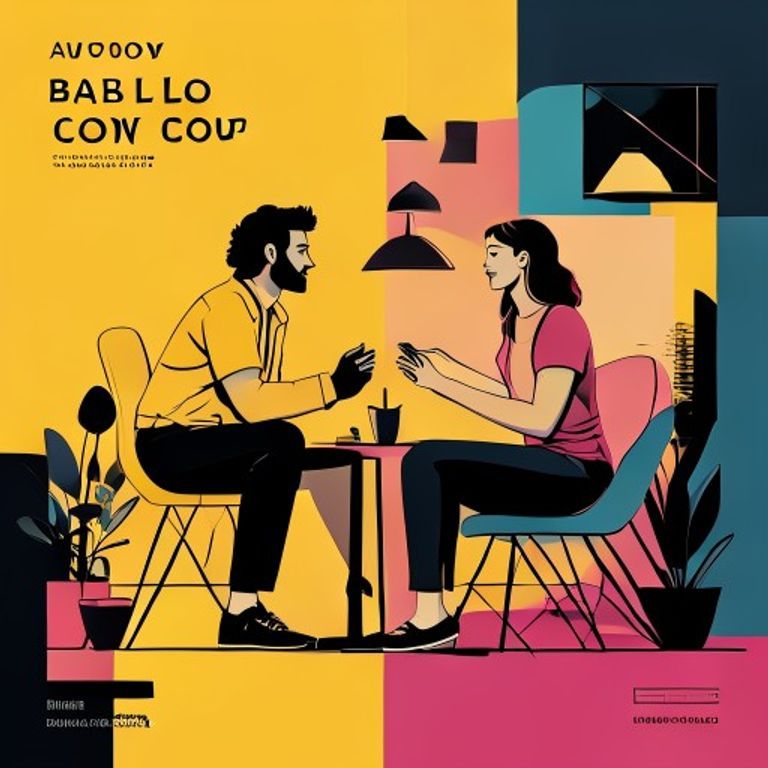
Real connection doesn’t make you chase for basic care. It feels steady, mutual, and clear.
What is the baby love co-op in relationships?
The baby love co-op is a relationship pattern where affection is conditional. One person gives warmth, attention, or closeness only when they’re getting reassurance, validation, or some other benefit in return. The second that supply dips, the connection gets cold, distant, or moody.
In plain English, it’s love with strings attached. You’re not being cared for because the bond is real and stable. You’re being rewarded for keeping the other person comfortable, entertained, or emotionally fed.
That’s why this pattern is so draining. It creates a one-sided loop: you chase, you soothe, you over-explain, you make extra room, you try harder. Meanwhile, the other person learns that your effort is the price of admission for basic affection.
And that’s where emotional maturity matters. A mature relationship doesn’t treat care like a prize. It treats care like a baseline. You don’t have to perform for it, beg for it, or decode it like a broken quest log.
There’s a big difference between genuine mutual care and conditional connection. Mutual care sounds like: “I see your needs, you see mine, and we both make room.” Conditional connection sounds like: “I’ll be sweet if you keep me happy, and if you don’t, I’ll punish you with distance.”
That second version is where codependency, poor communication, and shaky self-awareness start feeding each other. One person keeps trying to earn stability. The other person keeps moving the goalposts. Nobody wins, and both people end up exhausted.
💡 Quick check: mutual care vs. baby love
Ask yourself one blunt question: “Do I feel loved when I’m not actively giving something?” If the answer is no, you may not be in a relationship — you may be in a transaction. Healthy boundaries and reciprocity should make love feel safer, not more expensive.
The trap is that conditional love can feel exciting at first because it’s unpredictable. You get a hit of attention, then you lose it, then you chase it again. That push-pull can mimic chemistry, but it’s really just instability wearing a cute skin.
If you’ve been stuck in that loop, the goal isn’t to become colder or less loving. It’s to stop confusing emotional labor with intimacy. Real intimacy doesn’t make you earn every checkpoint. It builds trust through consistency, mutual effort, and the kind of care that doesn’t vanish the moment things get inconvenient.
Why do immature relationship patterns keep repeating?
Because the pattern usually feels familiar before it feels healthy. If you grew up around inconsistency, emotional chaos, or conditional love, your nervous system may read that as “normal,” even when your adult brain knows better. That’s how relationships and maturity get tangled: you keep mistaking old survival habits for chemistry.
Here’s the thing. Insecure people often don’t know how to self-soothe, so they reach for control, constant texting, jealousy, or testing behavior. Instead of saying, “I’m scared you’ll leave,” they pick a fight, demand reassurance, or create drama to force a response. It’s emotional labor disguised as connection, and it drains both people fast.
A lot of people also confuse intensity with love. If the relationship feels like a roller coaster, it can seem more “real” than something steady. But constant highs and lows are not proof of passion; they’re often a sign of poor emotional regulation, weak boundaries, or a toxic relationship loop that keeps feeding itself.
💡 Spot the loop before it owns you
Ask one blunt question: “Do I feel calmer with this person over time, or more activated?” If the answer is “more activated,” you’re probably not building trust. You’re replaying an attachment wound and calling it romance.
And yes, low self-awareness keeps the whole thing running. If you don’t know your own triggers, you’ll keep blaming the other person for every spike in anxiety. That’s how two people end up in a codependent loop, each one waiting for the other to fix what they haven’t named.
Think of it like a broken save file. You start a new relationship, but the same questline loads: fear of abandonment, over-texting, mixed signals, apology tours, repeat. Until someone pauses, patches the bug, and changes the behavior, the game keeps spawning the same boss battle.
The practical fix is simple, not easy. Track three things for two weeks: how often you feel anxious after contact, how often you ask for reassurance, and whether your partner follows through on small promises. If the numbers keep rising instead of settling, you’re not in mutual effort territory yet.

The same relationship pattern keeps repeating until someone fixes the underlying bug, not just the symptoms.
How do you spot a partner who wants love only on their terms?
The pattern is usually loud before it becomes obvious. You make one request, and suddenly you’re the problem: too needy, too sensitive, too demanding. That’s not relationships with healthy give-and-take — that’s a partner who wants affection, but only when it costs them nothing.
Here’s the thing. A mature connection feels collaborative. An immature one feels like you’re constantly negotiating for basic respect. If you’re always explaining why your needs matter, you’re not in a partnership — you’re in a one-sided contract.
💡 Quick test for conditional love
Is: affection that stays steady even when you say no, ask for help, or set a boundary.
Is Not: warmth that disappears the second you stop playing along. If their kindness turns on and off like a switch, you’re dealing with conditional love, not mutual effort.
Watch for the classic warning signs. Guilt-tripping sounds like, “After all I do for you, this is how you treat me?” Emotional withdrawal looks like silent treatment, cold replies, or disappearing when you bring up a real issue. Scorekeeping shows up as keeping a mental ledger of every favor, every apology, every compromise.
And then there’s the big one: one-way compromise. You change your plans, soften your tone, drop your needs, and make room for theirs. They rarely do the same. In RPG terms, this is the party member who only buffs themselves and leaves you to tank every hit.
Try this simple check: in the last 10 conflicts, how many times did they meet you halfway? If the answer is 0, 1, or “only when they were about to lose you,” that’s a red flag. Healthy communication doesn’t punish honesty. It makes room for it.
You’re looking for consistency, not performance. A partner with emotional maturity doesn’t make love feel like a reward you have to earn by staying agreeable. They can handle disappointment without turning it into a punishment cycle.
If you notice the affection drops every time you assert a boundary, pay attention. That’s not just a rough patch. That’s a relationship red flag telling you the bond depends on your compliance, not your connection.
How can you build relationships with real maturity?
You build mature relationships by making the rules clear before the emotions get messy. That means you stop guessing, stop rescuing, and stop treating inconsistency like a personality quirk. Real maturity looks boring from the outside: clear boundaries, direct communication, and follow-through.
Here’s the thing. If you want a relationship that lasts, you need more than chemistry. You need two people who can carry their own weight, say what they need, and handle disappointment without turning it into a crisis.
💡 The fastest maturity test
Ask for something small and specific. For example: “Can you text me if you’re running more than 20 minutes late?” A mature partner doesn’t punish you for the request, disappear, or make you feel needy. They respond, adjust, and keep it moving.
Set boundaries around effort, communication, and emotional responsibility
If you don’t name the rules, you end up doing all the emotional labor while calling it “being understanding.” Be specific. For example: one person plans the date, the other confirms by noon; one person checks in after conflict, the other doesn’t ghost for two days; both people own their own moods instead of dumping them on the relationship.
That’s not cold. That’s healthy boundaries. It protects reciprocity, and it keeps you from sliding into codependency where one person becomes the manager, therapist, and backup generator.
Say the hard thing directly
Stop chasing approval and start having the conversation. Try: “I like you, but I need more consistency than this,” or “I’m not available for a relationship where I’m the only one initiating.” That’s cleaner than hinting, testing, or hoping they magically decode your needs.
Direct communication saves you months of confusion. If the other person can’t handle a calm, honest sentence, they probably can’t handle an adult relationship either.
Real maturity looks less like fireworks and more like two people showing up on time, saying what they mean, and keeping their word.
Choose consistency over hot-and-cold chemistry
Intense chemistry can feel like a boss battle, but if the pattern is hot for three days and cold for two weeks, that’s not passion. That’s instability. Mature relationships are built on boring-seeming things that actually matter: showing up, repairing conflict, and doing what you said you’d do.
Think of it like leveling up from tutorial mode into a real two-player campaign. In tutorial mode, one player can carry the whole run. In a real campaign, both players share the quest, share the load, and know how to recover when the map gets messy.
If you want a simple filter, use this: after 30 days, do you feel calmer, clearer, and more respected — or more anxious, confused, and overextended? That answer tells you a lot about the relationship’s maturity.
What matters most in relationships is maturity, not intensity
The baby love co-op looks warm from the outside, but it usually runs on convenience, not commitment. In healthy relationships, both people show up, tell the truth, and carry their share without turning every problem into a rescue mission.
That’s the real filter. If you want mature relationships, stop asking whether the connection feels exciting enough and start asking whether it can hold weight when things get awkward, boring, or hard. That’s where the XP is.
You don’t need a perfect partner. You need a partner who plays fair, stays present, and doesn’t treat love like a temporary buff. Once you see that clearly, you can stop feeding dead-end patterns and start building something that actually lasts.
Ready to Turn Your Goals Into Quests?
RPGLife turns your daily goals into missions, tracks your XP, and helps you build momentum one win at a time. Join thousands who are already leveling up the most important game there is: real life.
Start Your AdventureFrequently Asked Questions
What is the baby love co-op in relationships?
It’s a pattern where both people want the benefits of closeness without the responsibilities that make relationships stable. Think attention, comfort, and validation on demand, but no real accountability when things get messy.
If the connection only works when everything is easy, you’re not building a bond. You’re renting a feeling.
How do I know if I’m stuck in immature relationship patterns?
Look for repetition: mixed signals, avoidant behavior, emotional labor that never gets returned, and the same arguments with different names. In immature relationships, the pattern matters more than the promise.
If you keep feeling like the grown-up in every conflict, that’s not bad luck. That’s a pattern asking to be broken.
How can I build mature relationships without settling?
Start by screening for consistency, honesty, and follow-through instead of chemistry alone. Mature relationships feel calmer, not duller, because both people know how to handle reality without running from it.
You’re not settling when you choose steadiness. You’re choosing a partner who can actually stay in the game.