Values Control Focus: A Powerful Map
Values Control Focus: A Powerful Map
Your values control your focus long before your goals do. That’s the part most people miss, which is why they keep trying to fix their schedule when the real issue is their inner compass.
If your attention keeps drifting, it’s probably not because you’re broken or lazy. It’s because something deeper is already steering the map, and once you see it, you can stop fighting your own behavior patterns and start working with them.
Here’s the promise: when you understand your core values, you get clearer decisions, cleaner boundaries, and less wasted energy. Think of it like choosing your character class before the quest begins — your default instincts change everything that comes after.
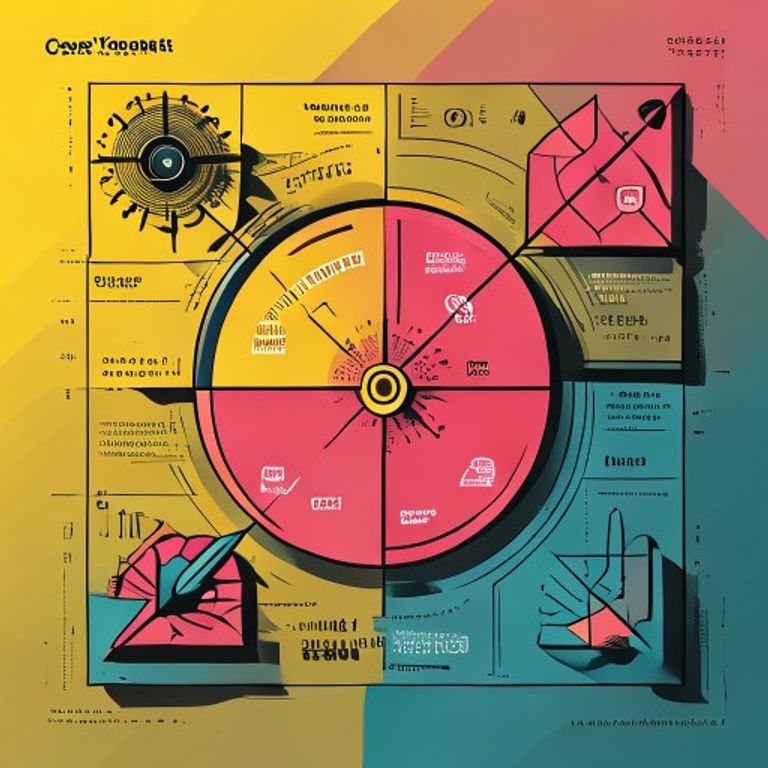
Your values are the hidden map under your daily choices. Most of the time, you’re following it without realizing it.
What do your values actually control in daily life?
Your values control what feels important, urgent, safe, and worth your attention. That sounds abstract, but in daily life it shows up fast: what you notice first in a room, what you keep checking on, what you avoid, and what keeps pulling you back when your energy is low.
That’s why two people can face the same situation and react in totally different ways. One person sees an empty calendar and feels relief. Another sees the same space and feels panic because they value structure, momentum, or usefulness more than open time.
This is where personal values become more than a nice idea. They act like a hidden filter, sorting the world before you even have time to think. Your brain asks, often without words: Is this worth my attention? Is this safe? Does this help me stay aligned? If the answer feels like yes, you move toward it. If it feels off, you pull away.
That’s also why low-energy days reveal so much. When motivation is high, you can force almost anything. When motivation drops, your real priorities take over. You stop chasing the impressive task and drift toward whatever matches your deeper wiring.
Security is a clean example. If security is one of your strongest values, you probably scan exits without thinking, plan ahead, keep backup options, and prefer stability over chaos. None of that is random. It’s a pattern. Your value is shaping your attention, your decisions, and your sense of what “good” looks like.
That’s why values are a lot like your RPG class. A warrior, a mage, and a healer can all face the same boss battle, but they won’t move the same way. Their default stats are different. Their instincts are different. Your values do the same thing in real life: they decide what comes naturally, what feels costly, and what you keep returning to even when you’re tired.
💡 Quick check: what is your attention protecting?
If you keep spending energy on the same kind of problem, ask what value is underneath it. You may not be “bad at focus.” You may just be highly focused on safety, approval, control, or stability — and that changes everything about how you plan your next move.
The useful part is that once you see the filter, you can work with it instead of against it. You stop asking, “Why can’t I just focus?” and start asking, “What am I actually devoted to here?” That shift creates clarity, and clarity is usually the first real power-up.
How do values shape focus when motivation is low?
When your energy is low, values do the heavy lifting. They cut down the mental friction that usually shows up when you’re trying to force yourself into a task you don’t really care about. That’s why focus gets easier when the task matches your core values: your brain stops arguing with you every five seconds.
Think of your focus like a targeting reticle in a game. When your stamina is low, you don’t need ten options flashing on screen — you need one clear objective highlighted. Values decide what stays lit up. They help you ignore the side quests that look urgent but drain your attention and energy.
Here’s the thing: misaligned tasks feel heavier, even when they’re small. Aligned tasks can still be hard, but they usually feel cleaner. You waste less energy resisting them, which means you can act with less motivation and still make progress.
That’s why tiny value-based actions work so well. If health matters to you, a two-minute stretch counts. If stability matters, opening your calendar and choosing one priority counts. If peace matters, muting notifications for 30 minutes is a real move, not a cop-out. These are small actions, but they protect your attention and keep your life direction from getting hijacked.
💡 Use the 1-1-1 reset
When motivation is low, pick 1 value, 1 priority, and 1 boundary. Example: “I value health, so I’ll walk for 10 minutes, answer one work email, and keep my phone off until lunch.” That’s enough to restore clarity without pretending you have endless energy.
This is where self-awareness matters. If you notice a task always feels like pushing a boulder uphill, ask whether it clashes with your personal values or just needs a smaller entry point. Sometimes the answer is adjustment. Sometimes it’s a boundary. Either way, you stop treating every hard thing like a personal failure.
When your values are clear, your attention has fewer places to scatter.
The result? You spend less energy fighting yourself and more energy moving forward. That’s not magic. That’s alignment. And on the days when motivation is missing, alignment is what keeps your focus from collapsing.
How can you tell what you really value?
Here’s the thing: your stated values are nice, but your repeated behavior tells the truth. If you say family matters most, but you spend your best attention on work messages, doomscrolling, and errands you never chose, your real values may be pointing somewhere else. Values are not what you admire. They’re what you keep making room for.
Think of it like your inventory in an RPG. You can say you’re a minimalist, but if your pack is full of “just in case” items, old obligations, and half-finished commitments, that tells a different story. Your inventory shows what you keep carrying, even when it slows you down. That’s a clue about what you believe is worth saving.
💡 The fastest way to spot a real value
Ask: What do I protect, worry about, or make room for even when I’m tired? That’s usually where your energy, boundaries, and attention are already going. You don’t need a perfect journal habit. You need one honest pattern check.
Try this for three days. At the end of each day, write down three things: where your time went, what you spent money on, and what got your attention first. If you spent 45 minutes helping a friend, 20 dollars on takeout because you were wiped, and 10 minutes checking a side project before bed, you’ve got a pattern. That pattern is your map.
Emotions help too. Strong frustration usually points to a violated value. If you get oddly angry when someone interrupts your quiet time, that may mean solitude matters more to you than you’ve admitted. If you feel protective about a messy corner of your life, that can reveal an attachment to comfort, control, or unfinished identity. Strong reactions are not random. They’re signals.
What should you notice when you’re low on energy?
Look at what survives when motivation drops. Maybe you skip workouts, but you still answer one friend’s text every night. Maybe you ignore laundry, but you always keep your workspace clear. That’s not a failure. It’s data. Your focus follows the values that feel non-negotiable, even on tired days.
If you want a clean reflection prompt, use this: What do I protect, worry about, or make room for even when I’m tired? Write one answer for each. You’ll usually see a pattern in under five minutes. Then ask one more question: Does that match the life I say I want? That’s where clarity starts.
💡 Tiny audit, big clarity
List your top 5 recurring commitments from the last week. Circle the ones you chose on purpose. If only 2 were intentional, that’s your signal: your attention may be running on autopilot, not alignment. You don’t need a new personality. You need a better filter.
How do you use values to make better decisions and stay on track?
Use your values as a filter, not a slogan. The next time you’re torn between two options, ask one blunt question: Does this support my top value right now? If the answer is no, that’s your cue to pass — even if the option looks productive, impressive, or urgent.
Here’s the thing: most people don’t need more discipline. They need fewer random side quests. A values-based decision filter keeps your attention pointed at what matters, so you stop spending energy on tasks that feel busy but don’t move your life forward.
Try this with real choices. If your top value this season is health, then saying yes to a late-night work commitment that ruins your sleep is probably a bad trade. If your top value is family, then scrolling for 45 minutes after dinner may not be the best use of your best energy. Small decisions like these shape your life direction faster than big speeches ever will.
💡 Pick one value for this season
Don’t try to optimize for all your personal values at once. Choose one primary value for the next 30 days — maybe health, family, learning, or stability. That gives you clarity, reduces overwhelm, and makes decision-making much easier. You can still honor other values, but one gets the lead role.
Then do a weekly review. Set aside 10 minutes and ask: Which actions matched my values this week, and which ones pulled me off track? Keep it simple. Write down three wins, two missteps, and one adjustment for next week. That’s enough to spot behavior patterns without turning reflection into another chore.
Think of it like a quest map. Your values show the main path, and weekly reviews tell you where you wandered into side missions. You’re not failing when you drift. You’re just getting data. The win is noticing faster, correcting sooner, and protecting your energy before it gets drained by stuff that never mattered.
A clear values filter keeps your focus on the main quest instead of every shiny distraction.
That’s the real shift: values stop being abstract and start becoming a practical system. You make cleaner decisions, protect your attention, and stay aligned with the life you actually want. And when you do that consistently, focus gets a lot less fragile.
The big takeaway is simple: your values are not decoration. They decide what gets your attention, what gets ignored, and what you keep choosing when you’re tired, distracted, or not feeling it.
That’s why focus gets easier when your values are clear. You stop trying to force motivation and start following a map that already knows where you want to go. And once you see that, every small decision becomes part of the quest.
You don’t need a perfect plan today. You need one honest next move that matches what matters most, then another after that. That’s how you turn scattered effort into steady progress.
Ready to Turn Your Goals Into Quests?
RPGLife turns your daily goals into missions, tracks your XP, and helps you stay on course even when motivation drops. Join people already using it to make real life feel clearer, lighter, and a lot more playable.
Start Your AdventureFrequently Asked Questions
How do my values control my daily decisions?
Your values act like a filter. They decide which options feel right, which ones feel off, and which tasks deserve your energy first. When you know your values, you spend less time second-guessing every small choice.
What if I don’t know what my real values are?
Start with your behavior, not your ideals. Look at where your time, money, and attention actually go, because that’s usually the clearest clue. Then notice what makes you feel proud, annoyed, or drained — those reactions point straight at your values.
How can values help me stay focused when motivation is low?
Motivation is unreliable, but values are steadier. When you connect a task to something you care about, it stops feeling random and starts feeling worth doing. That makes it easier to take the next small step, even on low-energy days.