Familiarity Spoils Loot: A Powerful Wake-Up Call
Familiarity Spoils Loot: A Powerful Wake-Up Call
Familiarity is sneaky. It doesn’t smash the door down; it just sits in the corner long enough that you stop noticing how valuable it is — especially in relationships.
That’s the trap. What once felt rare, exciting, and worth protecting can start to feel ordinary, like opening the same starter chest every day and forgetting there’s still legendary loot inside.
Here’s the thing: this isn’t a moral failure. It’s the familiarity effect at work, and if you don’t name it, it quietly turns comfort into complacency. Let’s look at why that happens and how to catch it before appreciation gets replaced by autopilot.
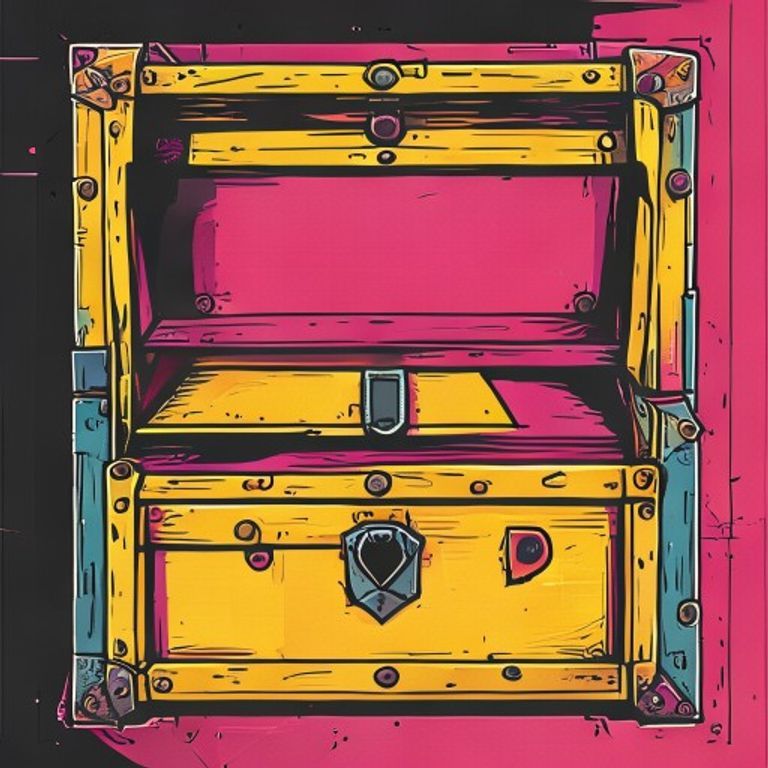
The same loot can feel less legendary when you stop checking the stats.
Why does familiarity make people take relationships for granted?
Repeated exposure changes how your brain files things away. The first time someone surprises you with kindness, your attention spikes. The hundredth time, the same action can barely register, even if it still matters just as much. That’s why familiarity can quietly lower the emotional volume in long-term relationships.
And that’s where people get blindsided. Not because the relationship suddenly got worse, but because the daily signals of care stopped feeling new. A partner’s patience, a friend’s check-in, a parent’s steady support — all of it can fade into background noise when you’ve seen it enough times.
Comfort is good. Comfort is the part of the game where you finally stop fighting random enemies and start breathing again. But comfort becomes a problem when it slips into autopilot. You stop noticing effort because you expect it. You stop noticing presence because it feels guaranteed. And once that happens, gratitude usually gets pushed out by routine.
That’s the difference between healthy stability and complacency. Stability says, “This bond is safe, steady, and worth protecting.” Complacency says, “This bond will be here no matter how little attention I give it.” One creates trust. The other creates emotional distance.
If you want a simple test, ask yourself this: do you still see the person, or just the role they play? When familiarity takes over, people stop feeling like layered characters and start feeling like fixtures in the room. That’s when appreciation starts leaking out of the system.
💡 Quick Checkpoint: Stability vs. Complacency
Stability is not the problem. Healthy relationships need routine, predictability, and trust. Complacency is the problem. It shows up when routine removes attention, appreciation, and curiosity. If you’re no longer noticing the small things, you’re not just comfortable — you may be drifting into taking them for granted.
The fix starts with perspective. Familiarity doesn’t erase value; it just hides it behind repetition. Once you understand that, you can stop waiting for novelty to remind you what’s already there. You can choose attention on purpose.
And that matters, because relationships don’t stay strong on initial excitement alone. They stay strong when you keep noticing the person in front of you, not just the version of them your brain has already cached.
What are the warning signs that familiarity is spoiling the loot?
The warning signs usually show up long before a relationship feels “bad.” They start as tiny drops in attention: fewer questions, shorter replies, and that lazy assumption that the other person will always be there. If you catch it early, you can fix the drift before familiarity turns into emotional distance.
Here’s the thing. Familiarity doesn’t usually announce itself with a dramatic fight. It looks more like autopilot. You stop being curious, you stop noticing effort, and the other person starts feeling less like someone you know and more like background scenery.
Familiarity is not comfort, trust, or healthy routine. Familiarity is when comfort slides into complacency and you begin treating a person like they’re guaranteed instead of valued. In RPGLife terms, it’s the moment a rare item becomes vendor trash in your mind — not because the item changed, but because you stopped inspecting it.
- You ask fewer real questions. “How was your day?” becomes a reflex, not a doorway. If you used to ask about their project, their stress, or what actually excited them, and now you don’t, curiosity has dropped off the map.
- Your conversations get shorter. A 20-minute check-in turns into three minutes of logistics. You cover chores, schedules, and bills, but not much else.
- You assume availability. You expect replies, help, patience, or emotional labor without asking. That’s not closeness. That’s entitlement wearing a friendly mask.
- Gratitude disappears. If “thanks” only shows up when something is huge, you’re probably missing the small stuff that keeps long-term relationships strong.
Irritation is another big clue. When appreciation fades, expectations take over, and every tiny inconvenience starts feeling personal. Maybe they forgot one errand, and suddenly you’re annoyed for hours. Or they ask for a little space, and it feels like a betrayal instead of a normal human need.
That shift matters because it shows perspective has gone missing. You’re no longer reacting to what actually happened; you’re reacting to what you believe they should have done. That’s where routine turns stale and the relationship starts to feel more like a system to manage than a person to know.
💡 Quick check: are they becoming invisible?
Ask yourself three blunt questions: Did I learn anything new about them this week? Did I thank them for something specific in the last 48 hours? Did I notice their mood before I noticed what they could do for me? If the answer is “no” twice, familiarity is already winning.
A simple example: if your partner, friend, or sibling starts feeling “predictable” in the worst way, try one reset conversation. Ask one fresh question, like, “What’s been on your mind lately that I haven’t asked about?” That single move can break the spell and bring attention back online.
When curiosity drops, connection usually follows. The fix starts with noticing the drift.
How can you reset appreciation before relationships go stale?
Start small, but be specific. A vague “I appreciate you” is nice; a real compliment lands harder because it proves you were paying attention. Tell your partner, friend, or family member exactly what you noticed: “You handled that call calmly even though you were stressed,” or “You still make this place feel lighter when you walk in.” That kind of attention cuts through the fog of familiarity.
Here’s the thing: appreciation gets stale when it becomes automatic. So make it a ritual. Try a 2-minute gratitude check-in three times a week, where each person names one thing the other did that mattered. Keep it practical, not poetic. You’re not writing a love letter to the moon; you’re rebuilding awareness one honest observation at a time.
💡 A simple reset that actually works
Once a week, write down 3 things you noticed about someone you care about that you usually miss. One habit, one effort, one small change. If you can’t name anything new, that’s your signal to pay closer attention.
Novelty helps too. Long-term relationships don’t need dramatic reinvention; they need tiny breaks from autopilot. Swap your usual dinner spot for a walk and takeout. Ask a question you’ve never asked before, like “What’s something you wish people understood about you right now?” Even one new shared experience can shake loose a lot of dead routine.
And don’t freeze people in the role they used to play. That’s where familiarity does its worst damage. Your sibling isn’t just “the responsible one.” Your partner isn’t just “the one who always handles it.” They’re layered characters who keep changing, even if you stopped updating the map. If you want the bond to stay alive, you have to keep learning the current version of the person in front of you.
Distance can help with perspective, too. A weekend apart, a solo walk, or even 15 quiet minutes with old photos can remind you what first made the connection feel rare. Memory is useful here, but only if you use it honestly. Don’t just romanticize the beginning; compare who they were then with who they are now, and notice what’s grown.
Think of it like returning to town after a long quest and finally talking to the NPCs like they matter. Same people, same place, but you’re seeing the depth you skipped when you were rushing past. That shift in attention is how familiarity stops spoiling the loot.
How do you keep familiarity from killing long-term value?
You keep it alive the same way you keep legendary gear useful: you don’t admire it once and shove it in the inventory forever. Familiarity only turns toxic when comfort becomes neglect, and that happens quietly in long-term relationships. The fix is maintenance, not nostalgia.
Here’s the thing. Novelty fades for everyone. That’s not a sign the value is gone; it’s a sign you need to renew your attention on purpose. If you want something to stay meaningful, you have to keep proving to yourself that it still matters.
💡 Treat the familiar like earned loot
Stop acting like love, trust, or support is automatic. Build one weekly habit that says “I still see you” — a real compliment, a 20-minute check-in, a shared walk, or doing one task they usually carry. Small, repeated attention beats occasional grand gestures.
Try this for 30 days: pick one relationship and give it a deliberate refresh every week. Ask one better question than usual. Notice one thing they did well and say it out loud. Plan one small change to break the loop, like swapping your usual dinner spot or taking a different route home together. Novelty doesn’t need to be expensive; it just needs to be intentional.
The mindset shift is simple: what’s familiar is earned, not guaranteed. That matters because earned things deserve respect. When you remember that, you stop coasting in the comfort zone and start paying attention again.
Legendary value stays legendary when you keep repairing, equipping, and respecting it.
Think of it like this: a legendary sword doesn’t lose power because you’ve owned it for years. It loses power when you stop sharpening it. The same goes for relationships. Maintenance keeps the edge. Attention keeps the connection. Appreciation keeps the value visible.
If you want familiarity to work for you instead of against you, make it a habit to notice what’s still rare about the person in front of you. That’s how you protect long-term value — not by chasing constant excitement, but by refusing to go numb to what you already have.
Why familiarity spoils legendary loot if you don’t catch it early
The real problem isn’t that relationships get old. It’s that familiarity makes the rare stuff feel normal, and normal is where appreciation goes to sleep. Once that happens, you stop noticing the good parts until they’re already gone.
Here’s the thing: long-term value doesn’t disappear all at once. It gets chipped away by assumptions, autopilot, and the lazy belief that what’s always been there will always stay valuable. Treat the relationship like a quest log, not background scenery, and you give yourself a real shot at keeping the loot legendary.
The fix is simple, but not easy: notice more, assume less, and act like what you have still matters. Do that, and familiarity stops being a thief and starts becoming proof that you’ve built something worth protecting.
Ready to Turn Your Goals Into Quests?
RPGLife turns your daily goals into missions, tracks your XP, and makes progress feel earned instead of vague. Thousands of people are already using it to stay consistent, build better habits, and level up the parts of life that matter.
Start Your AdventureFrequently Asked Questions
Why does familiarity make people take relationships for granted?
Because your brain gets efficient fast. What once felt special starts to feel expected, and expected things get less attention.
That doesn’t mean the relationship lost value. It means your attention did.
What are the warning signs that familiarity is spoiling the loot?
The biggest signs are low effort, less curiosity, and assuming the other person will always be there. You may also notice fewer check-ins, more irritation over small things, and less gratitude.
If you only notice the relationship when something is wrong, familiarity is already doing damage.
How do you reset appreciation before a relationship goes stale?
Start with one deliberate habit: notice one specific thing you value and say it out loud. Small, repeated appreciation works better than one dramatic gesture.
If you want the reset to stick, build it into your routine. Treat appreciation like a daily side quest, not a rare event.