Hack Commitments for Better Follow-Through
Hack Commitments for Better Follow-Through
Most commitments fail after the moment feels exciting, not before. You click, nod, say “yes,” then leave the page and the whole thing starts leaking momentum because follow-through has to survive real life, not just good intentions.
That’s the trap. The best time to lock in a decision is while the energy is still high, because once you switch tabs, answer a text, or get pulled into the next thing, the friction spikes and the quest gets abandoned.
This article is about closing that gap. You’ll learn how to treat commitment like a save point before a boss battle, so you stop losing progress every time the browser closes or the meeting ends.
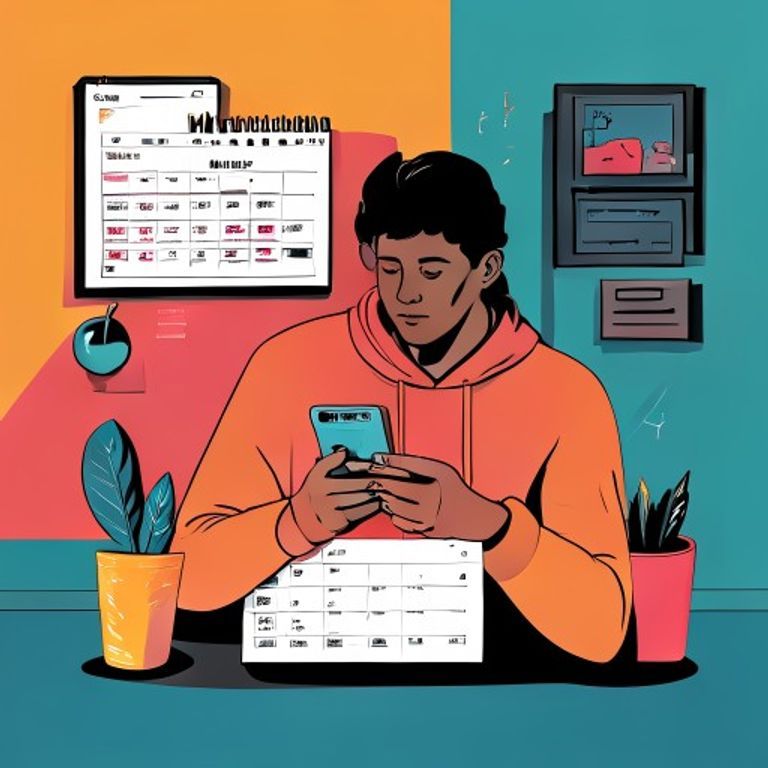
If the decision matters, don’t leave the page empty-handed. Lock the next step before the momentum disappears.
Why do commitments fail after you leave the page?
Here’s the thing: most people don’t fail because they lack discipline. They fail because they hit a friction gap the second the high-intent moment ends. On the page, booking the call, enrolling in the class, or adding the event to your calendar feels easy. Off the page, it turns into a tiny obstacle course of decisions, distractions, and “I’ll do it later.”
Friction gap is the distance between wanting to do something and actually doing it once the context changes. Is: the extra effort, mental load, and interruption that shows up after the browser tab closes or the meeting wraps. Is Not: a lack of interest, intelligence, or ambition. It’s what happens when action has to compete with everything else already in your head.
Decision fatigue makes it worse. If you’ve already made ten choices today, your brain starts protecting itself by saying no to one more. Add distraction, context switching, and a dozen open loops, and that “quick follow-up” suddenly feels like a chore. The result? You lose the edge that made the commitment feel obvious in the first place.
That’s why so many good intentions die in the gap between “sounds great” and “done.” You don’t need more motivation. You need a low-friction system that catches the decision while it’s still hot.
💡 Save the move before you log off
The rule is simple: never leave a high-intent moment without a concrete next step locked in. Book the meeting. Add the calendar hold. Enroll now. If you can’t finish the whole mission, at least save the checkpoint so you don’t have to start from zero later.
Think of it like this: if you’re standing outside a dungeon with the boss door open, walking away without saving is a bad plan. The opportunity is real, but it won’t stay open just because you meant well. A strong commitment device protects you from your future distracted self by making the next move obvious and immediate.
That’s the habit loop we want to build. Not “remember this later.” Not “hope I feel like it tomorrow.” Just: see the opportunity, take the next step, lock it down, and move on with the XP already banked.
How can you lock in a commitment in under 60 seconds?
You lock it in by making the next move stupidly easy. If you have to “think about it later,” your brain will spend that time building excuses, and decision fatigue will win by a mile. The fix is a one-tap commitment: book the meeting, enroll in the class, or add the event to your calendar before you leave the page.
Here’s the thing. A commitment isn’t real until it has a date, a payment, or a confirmation number attached to it. That’s why fast follow-through beats good intentions every time. You’re not trying to feel ready; you’re trying to reduce friction before your attention gets pulled into the next shiny thing.
💡 The 3-step commitment checklist
Schedule, pay, or confirm. That’s it. If an opportunity doesn’t fit one of those three actions, it’s not a commitment yet — it’s just a tab you’ll forget about. Keep the checklist short so you can decide in under 60 seconds.
Think of this like pressing the save button before you log off. You’re also auto-equipping your next quest item, so when you come back, the path is already set. No wandering. No “I’ll do it later.” Just the next step, already locked in.
A good default action kills hesitation. For example: if a workshop looks useful, your default is to add the calendar hold first, then decide whether to pay. If a friend suggests a meetup, your default is to confirm the time right away. If a class has limited spots, your default is to enroll now and review the details after. Pre-deciding removes the tiny debate that usually kills follow-through.
This works because you’re not relying on motivation. You’re building a commitment device that catches the moment while it’s still warm. The result? Less friction, fewer dropped tasks, and way more task completion from the same number of opportunities.
A three-option commitment checklist keeps your next step obvious when your brain wants to stall.
Try this tonight: pick one recurring situation and assign it a default. Maybe every event gets a calendar hold within 30 seconds. Maybe every paid course gets a same-day enrollment decision. Maybe every useful intro call gets a booking link opened before you close the message. Small system, big follow-through.
That’s the real win. You’re not becoming more disciplined; you’re making commitment the path of least resistance. And once that path is built, momentum starts doing the heavy lifting for you.
What systems improve follow-through without relying on willpower?
Willpower is a terrible long-term plan. It’s noisy, inconsistent, and usually weakest right when decision fatigue kicks in. If you want better follow-through, build systems that keep pointing you back to the next step after the commitment is made.
Think of this as your quest log and waypoint system. Once the mission is accepted, the game keeps nudging you toward completion instead of making you remember everything from scratch.
💡 Build the reminder after the commitment, not before
The most effective commitment device is a reminder that triggers only after someone has already said yes. Set the calendar hold, follow-up nudge, or task reminder the moment the commitment is created. That way, the system protects the decision instead of asking you to remember it later.
Use calendar holds and follow-up nudges as waypoint markers
A commitment without a calendar hold is just a wish with better branding. Put the next step on your calendar immediately: “Book the meeting, Tuesday at 10:00,” “Enroll now, 7:30 p.m.,” or “Send draft, Friday before lunch.” Specific timing cuts friction because you’re not re-deciding when to do it.
Then add one nudge that fires 24 hours before and one that fires 15 minutes before. That’s enough to keep the mission visible without turning your phone into a marching band.
Make the commitment hard to forget and easy to spot
Visual cues matter because your brain follows what it sees. Leave the workout shoes by the door, keep the invoice draft open in a browser tab, or pin the task to the top of your notes app. That tiny bit of visibility reduces friction and keeps the habit loop alive.
You can also stack the commitment onto something you already do. After your morning coffee, open the project tracker. After lunch, check the one task that moves the mission forward. That’s implementation intention in plain English: “After X, I do Y.”
Run a simple review loop so nothing gets lost
Once a day, spend 3 minutes sorting commitments into three buckets: active, stalled, and completed. Active means it has a next step and a date. Stalled means it needs a new waypoint or a decision. Completed means you close the loop and get the XP.
This matters more than people think. A weekly review of just 10 commitments can save you from the mental drag of half-finished tasks floating around in the background. Less clutter means less decision fatigue, and less decision fatigue means better task completion.
Here’s the result: you stop relying on mood, memory, or a heroic burst of motivation. Your system keeps the mission in view until it’s done, which is exactly how you get consistent follow-through.
How do you make commitments stick when motivation disappears?
Motivation is a flaky party member. If you wait for it, you’ll miss the raid. The better move is to shrink the first step until starting feels almost stupidly easy, then build enough pressure and reward around it that follow-through becomes the obvious move.
Here’s the thing: most people don’t fail because the goal is too hard. They fail because the first move has too much friction. “Write the report” is a wall. “Open the doc and type the title” is a step you can clear in 10 seconds.
💡 Make the first move almost automatic
Turn every commitment into a next step so small it bypasses decision fatigue. Don’t plan to “start working out.” Plan to “put on shoes and walk outside.” Don’t plan to “apply for jobs.” Plan to “open the application and fill in one field.” That’s how you create an implementation intention that survives low-energy days.
If you want stronger follow-through, add a stake. A commitment device works because it makes backing out annoying or expensive. Book the meeting with a colleague, enroll now in the class, or put $25 on the line with a friend who gets the money if you skip. The point isn’t punishment. It’s giving your brain a reason to respect the promise when the mood wears off.
Then reward the win immediately. Not later, not “someday when the habit sticks.” A tiny payoff right after task completion helps your brain connect the action to something good. Check a box. Play one song. Log the win and watch the XP bar move. Small reward, real signal.
Think of follow-through like leveling up. One tiny win gives you XP. Ten wins unlock the next stage of the campaign. You’re not trying to become a different person overnight. You’re stacking enough completed reps that momentum starts doing the heavy lifting for you.
Tiny steps, real stakes, immediate rewards: that’s how commitments survive bad-motivation days.
A simple example: you want to read more. Don’t commit to “read every night.” Commit to “open the book at 9:30 and read one page.” If you miss, you lose your streak badge or owe a friend $5. If you hit it, you get a 2-minute guilt-free scroll break or a point in your tracker. That’s a low-friction system with just enough pressure to keep you honest.
💡 The best commitment is the one your future self can’t easily dodge
If your plan needs a perfect mood, a free afternoon, and heroic self-control, it’s too fragile. Shrink the first step, add a stake, and give yourself an immediate reward. That’s the loop: action bias gets you moving, follow-through keeps you going, and XP keeps the whole thing feeling alive.
The real trick with commitments isn’t making them bigger. It’s making them harder to lose. Once a commitment is stored somewhere you can see, revisit, and act on fast, it stops being a fragile intention and starts behaving like a save point you can return to when your focus gets messy.
That’s the whole play here: reduce friction, add a tiny bit of structure, and make follow-through easier than quitting. You don’t need more willpower. You need commitments that survive distraction, and once you build that system, you’ll have a much better shot at finishing the quest instead of restarting it every Monday.
Ready to Turn Your Goals Into Quests?
RPGLife turns your daily goals into missions, tracks your XP, and helps you keep commitments visible until they turn into real progress. People use it to stay consistent when motivation drops and their attention starts wandering.
Start Your AdventureFrequently Asked Questions
How do you make commitments stick when motivation disappears?
You stop asking motivation to do the heavy lifting. The better move is to make the next action obvious, tiny, and attached to a cue you already see every day.
If your commitment can be started in under 60 seconds, it’s much easier to keep moving even when your mood tanks.
What is the fastest way to lock in a commitment in under 60 seconds?
Write the commitment as a single action, add a time or trigger, and put it somewhere visible. For example: “After I make coffee, I’ll open the doc and write 100 words.”
That turns a vague promise into a clear command your brain can actually follow.
What systems improve follow-through without relying on willpower?
The best systems are the ones that reduce decision fatigue: checklists, visible reminders, tiny next steps, and simple rewards. When the system carries the load, you’re not fighting yourself every time you start.
Think of it like building a save point before the boss fight. You still have to play, but you’re no longer starting from scratch.