Offline Grind Secrets for Powerful Habits
Offline Grind Secrets for Powerful Habits
A basketball player can take 168,000 shots in a year and still look “average” to everyone watching from the stands. That’s the weird truth behind the offline grind: the biggest wins in habits are usually built in private, long before anyone claps.
If you keep chasing visible progress every day, you’ll miss the part that actually changes your life. The real upgrade happens when you stack quiet reps, keep the routine small enough to repeat, and let compounding do the heavy lifting.
Here’s the thing: public results are the loot drop. Private practice is the dungeon run that earns it. This article breaks down how the offline grind works, why it builds stronger habits than motivation ever could, and how to turn boring repetition into real long-term growth.
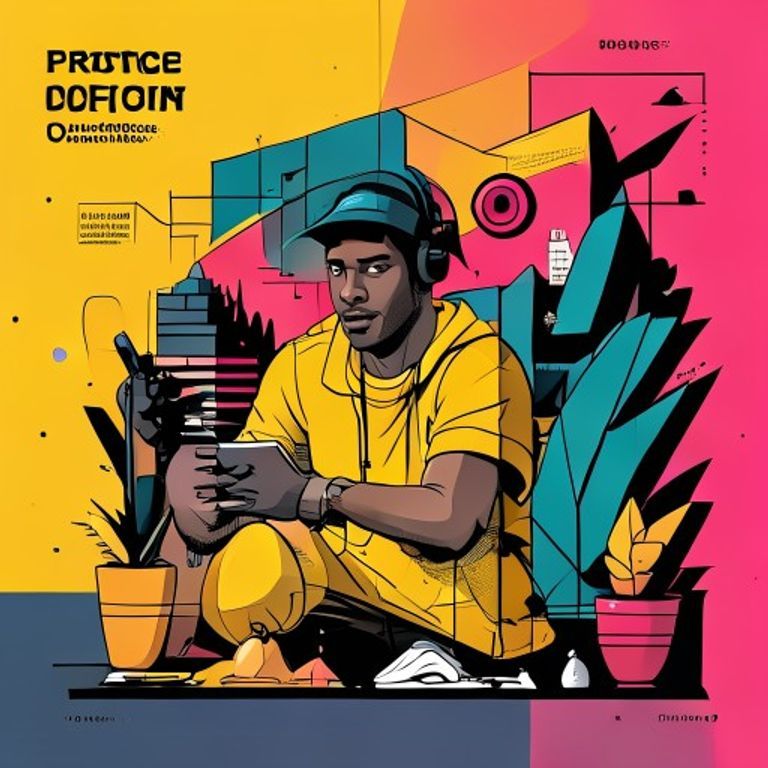
Private reps look small in the moment, but they’re what build the skill tree that later shows up as confidence, speed, and clean execution.
What does offline grind actually mean for building habits?
The offline grind is the work nobody sees: the draft you rewrite, the workout you repeat, the code you debug, the meal you prep, the flashcards you run through again. It’s the repetition that happens before the result is polished enough to post. And that matters, because habits are not built by one heroic session — they’re built by low-friction actions repeated often enough that your brain stops arguing.
This is where most people get trapped. They want instant validation, so they keep switching goals, tweaking systems, or waiting until they “feel ready.” But habits don’t grow from hype. They grow from consistent repetition in a setup that’s simple enough to survive a bad day, a busy week, or a dip in motivation.
Think of it like grinding mobs in a hidden zone before the boss fight. Nobody’s cheering. The XP bar is moving anyway. Each rep makes the next one easier, and that’s how skill building starts to feel automatic instead of forced. A 10-minute coding drill, a 20-minute strength session, or a single focused writing sprint may look small, but those small sessions are what create mastery later.
The best part? Offline progress usually looks boring right up until it looks obvious. One week of practice barely changes the scoreboard. Eight weeks changes how you move, think, and execute. That’s the compounding effect in plain clothes: tiny actions, repeated daily, turn into visible performance when everyone else is still looking for a shortcut.
💡 Power-Up: Make the rep too small to skip
If your habit feels heavy, you’ve made it too big. Shrink it until it takes less than 10 minutes to start. A tiny daily action is easier to repeat, and repetition is what turns effort into identity.
That’s the real meaning of the offline grind: you’re not just “being disciplined.” You’re building a system that keeps earning XP even when nobody is watching. And once that system is in place, the public wins stop feeling random. They start feeling inevitable.
How do you practice offline so you can loot online later?
The trick is to stop treating practice like a performance. Your offline grind should be a private practice loop where you can make mistakes, clean them up, and repeat the move until it stops feeling shaky. That’s how habits get built: not through hype, but through consistent repetition with less pressure.
Think of it like farming rare drops in a side dungeon. You’re not showing off yet. You’re stacking your inventory so when the main quest shows up, you already have the gear, the timing, and the confidence to execute.
Break the skill into reps, not vibes
Big goals get easier when you shrink them into tiny drills. If you’re building a habit around writing, don’t “work on writing” for an hour and hope for magic. Draft one headline, write three opening lines, then rewrite the weakest one. That’s a rep.
If you’re practicing speaking, record a 60-second explanation three times. If you’re training for fitness, do five clean push-up sets instead of one heroic session that wrecks you. Small reps lower the friction, which means you actually show up tomorrow.
Use the loop that keeps you improving
Here’s the loop: practice, review, adjust, repeat. That’s it. You do the rep, notice what felt off, change one thing, then run it again.
A simple example: spend 15 minutes on a sales script. Record it once, listen back, fix one weak spot, and run it again. By the third pass, you’re not just repeating work — you’re improving execution. That’s how deliberate practice turns into measurable progress instead of random effort.
💡 Make every practice session earn its XP
Rule: never end a session without one adjustment for next time. One tweak is enough. Maybe you shorten the drill, slow the tempo, or change the order. That tiny edit keeps your offline grind from becoming mindless repetition.
Private practice makes public performance look easy
This is where the payoff shows up. When you’ve rehearsed the hard part in private, public execution feels faster and cleaner. You’re not inventing the move under pressure. You’re pulling a known combo from muscle memory.
That’s why preparation builds confidence. The person who has done 20 quiet reps walks into the meeting, match, or presentation with less panic and better focus. They’re not guessing. They’ve already cleared the side dungeon.

The goal isn’t more effort. It’s better reps that compound into cleaner execution when it counts.
If you want the habit to stick, keep the practice small enough to repeat and specific enough to improve. That’s the whole game: build the skill offline, then cash in the rewards online.
Which habits make the offline grind sustainable instead of exhausting?
The habits that last are usually boring in the best way. They run on a fixed trigger, a short time block, and a clean finish line, so you don’t waste energy deciding when or how to start. That’s how the offline grind turns into real habits instead of a burst of motivation that dies by Thursday.
Think of it like a save-point system. You’re not trying to clear the whole dungeon in one run — you’re just making sure you never lose your place.
💡 Build a habit loop you can repeat on tired days
Trigger: right after coffee. Block: 15 minutes. Finish line: one page, one set, one rep log. When the steps are this small, you stop negotiating with yourself and start executing.
Use a fixed trigger so starting feels automatic
Decision fatigue is the silent boss fight. If you have to ask, “When should I do this?” every day, you burn willpower before the work even starts. Tie the habit to something already in your routine: after brushing your teeth, after lunch, after opening your laptop at 7:30 a.m.
That tiny anchor matters more than people think. A writer who drafts 10 minutes after breakfast will beat a writer who waits for the “right mood” almost every time.
Track reps, not applause
Visible progress keeps the grind honest. Mark every session on a calendar, in a notes app, or on a paper tracker. A 21-day streak of 15-minute practice blocks is 315 minutes of deliberate practice — and that’s before you count the mental shift that comes from showing up.
You don’t need outside validation to know you’re leveling up. The log is the proof. The streak is the XP bar.
Drop the all-or-nothing mindset
One bad day does not break the system unless you let it. If your full workout is impossible, do 5 push-ups. If your study block falls apart, read 2 pages. That keeps the habit chain alive and protects your consistency through busy weeks, low-energy days, and the random chaos life throws at you.
This is where mastery gets built: not in perfect weeks, but in the recovery after imperfect ones. The goal is long-term growth, and long-term growth rewards the player who keeps returning to the save point.
Offline grind habits work because they’re sustainable. Small trigger, short block, clear finish line, visible reps, no drama. That’s how you keep the system alive long enough for compounding progress to kick in.
Why do public results come from private reps, not motivation?
Motivation is a noisy side quest. It shows up when the music is right, the mood is good, and the task feels easy. But the offline grind that builds real habits keeps moving when none of that is true.
Here’s the thing: public wins are usually the last 5% of a process you can’t see. The visible streak, the better body, the cleaner workflow, the sharper skill set — that’s final boss loot. The private reps are the hidden dungeon runs that unlock the chest.
Think about mastery in numbers, not vibes. A basketball player taking 500 shots a week hits 26,000 shots a year. Keep that up for 6.5 years and you’re at roughly 168,000 shots. That’s not “I got inspired one summer.” That’s deliberate practice, repeated until the skill starts looking effortless.
💡 Invisibility is not a bug. It’s the price of leverage.
If nobody can see your reps yet, that usually means you’re still in the build phase. The work feels quiet because it’s compounding. A 20-minute daily routine, repeated for 90 days, gives you 30 hours of focused execution. That’s enough to change how you write, train, study, or sell — even if nobody claps for it on day 12.
So stop waiting for a motivational surge to save you. Build a system that runs on schedule: same time, same trigger, same next action. If you write, open the doc and produce 200 words. If you train, do the first set before you negotiate with yourself. If you’re learning a skill, do 15 minutes of drills before you touch the fun part.
That’s how consistency turns into confidence. You stop asking, “Do I feel ready?” and start proving, “I’ve done this before.” And once that happens, the public result usually looks sudden to everyone else, even though you’ve been stacking XP in private for months.
Private reps don’t look dramatic, but they’re what make the visible win possible.
The result? You’re not chasing motivation anymore. You’re running a system that keeps working after the hype fades, which is exactly what long-term growth needs.
The real win is the offline grind
The biggest mistake people make is treating habits like a mood problem. They’re not. Your results come from the reps you do when no one’s watching, when it’s boring, and when the dopamine is nowhere in sight.
That’s the whole point of the offline grind: build the skill, the structure, and the consistency first, then collect the loot later when the world can finally see it. Private reps make public results feel almost unfair.
If you keep showing up for the small stuff, you’re not just “staying disciplined.” You’re stacking XP in the background, and one day the level-up is obvious to everyone except the people who didn’t do the work.
💡 The part most people miss
Offline grind is not about grinding harder forever. It’s about making your habits so repeatable that they stop depending on motivation. That’s how you stay consistent without burning out.
So keep it simple: practice in private, track what matters, and make the work small enough that you can actually repeat it. Then when it’s time to show the results, you’re not hoping for luck — you’re cashing in earned loot.
That’s how you win this game. Not with one heroic day, but with enough quiet reps that your future self walks into the boss fight already overpowered.
Ready to Turn Your Goals Into Quests?
RPGLife turns your daily goals into missions, tracks your XP, and helps you build habits that stick even when motivation doesn’t show up. Join people who are already turning ordinary routines into real progress, one quest at a time.
Start Your AdventureFrequently Asked Questions
What does practice offline loot online mean?
It means doing the unglamorous work in private so you can enjoy visible results later. You build the habit offline, then the payoff shows up online, at work, or in real life.
How do I stay consistent with offline grind habits?
Make the habit smaller than your excuses. If you can do it for 5 to 15 minutes a day, it’s much easier to keep the streak alive long enough for the results to compound.
Why do private reps matter more than motivation?
Motivation is unreliable, but reps are measurable. Private practice builds skill, identity, and momentum, which is why public success usually looks sudden even though it was earned in the dark.