Priorities First: Slay the Hardest Dragon
Priorities First: Slay the Hardest Dragon
Your priorities are not the tasks that look easiest. They’re the ones that matter most and scare you a little. If you start with the hardest action first, the rest of the day stops feeling like a swamp and starts feeling like a clean run through the dungeon.
That sounds backward until you try it. The hardest task usually carries the most resistance, so finishing it early clears the biggest blocker from your head and gives you real momentum, not fake busywork.
Here’s the thing: this isn’t about grinding harder all day. It’s about better priority setting, less decision fatigue, and a sharper action plan that protects your focus before the easy distractions start stealing turns.
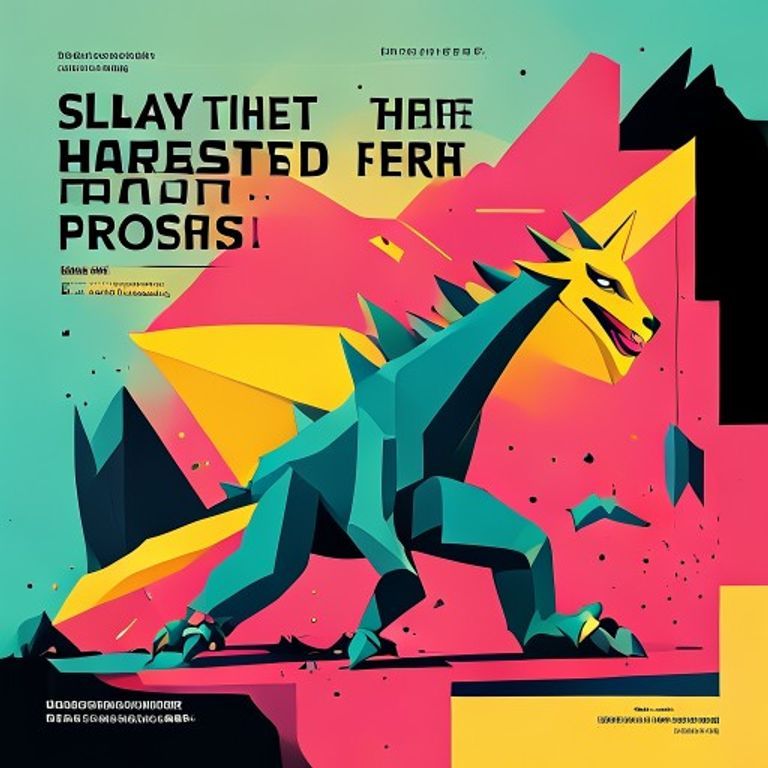
The hardest dragon usually guards the main gate. Beat it first, and the whole map opens up.
Why should you tackle the hardest priority first?
Because the hardest task is rarely hard in a physical sense. It’s hard because it carries the most mental friction. You avoid it, think about it, circle it in your head, and spend half the morning losing energy before you’ve done anything useful.
That drag is expensive. One difficult email, one intimidating workout, one messy coding bug, or one awkward money conversation can quietly drain your attention all day. When you handle it first, you remove the biggest source of procrastination before it multiplies.
Think of it like a boss battle at the start of the level. If you dodge it, every side path feels heavier because you know the real threat is still waiting. If you beat it early, even small missions feel faster because your brain stops allocating energy to avoidance.
That’s why hard-first planning works so well for people who get distracted easily. You’re not trying to create a perfect day. You’re trying to create a day with less resistance. One strong first move can protect your energy, sharpen your focus, and make the rest of your high-impact tasks feel more manageable.
The payoff is bigger than just “getting something done.” You build confidence early, and confidence changes how you approach the next mission. A task that felt heavy at 8 a.m. can feel light at noon because you’ve already earned that first chunk of XP.
💡 Hardest First = Less Drag
Pick the task you keep postponing, not the one you can finish while half-awake. When you clear the biggest mental obstacle first, you reduce decision fatigue and create momentum that carries into the rest of your day.
This is also a time management move, not just a motivation trick. Early in the day, your focus is usually cleaner and your willpower hasn’t been chipped away by messages, notifications, and low-value chores. Use that window for the mission that actually matters.
And if you’re worried that starting with the hardest thing will burn you out, the opposite is usually true. Avoidance is what burns you out. Clear action on the main priority gives your day structure, and structure makes everything else easier to execute.
How do you identify the real dragon in your action plan?
The trick is not finding more priorities. It’s spotting the one task that actually changes the board. If you start your day with the wrong target, you can stay busy for hours and still make zero real progress on your priorities.
Here’s the thing: most to-do lists are full of noise. Some tasks feel urgent because they’re loud. Others feel easy because they’re familiar. Neither one deserves the crown if a different task would move your project, deadline, or goal forward the most today.
💡 The 3-pass sorting method
Is: a fast way to identify your real first task of the day.
Is Not: a full productivity system or a perfect planning ritual.
Write every task down, then mark each one for consequence, friction, and uncertainty. The task with the highest score is usually the dragon.
Try this with a real list. Say you have seven tasks: answer emails, revise a proposal, pay a bill, book an appointment, outline a presentation, clean your desk, and follow up with a client. The bill is urgent, the desk is easy, and the emails are endless. But the proposal or presentation might be the task that unlocks the most progress if you finish it today.
Ask one simple question: If I only completed one thing today, which task would make the biggest dent in my goal? That question cuts through decision fatigue fast. It also keeps you from building an oversized list that looks productive but quietly drains your focus before you even begin.
Think of your quest log like a boss map. Ten weak mobs can clutter the screen, but one elite enemy controls the whole dungeon. In your action plan, that elite enemy is the task with the highest consequence, the most resistance, or the most uncertainty. Beat that first, and the rest of the day gets easier.
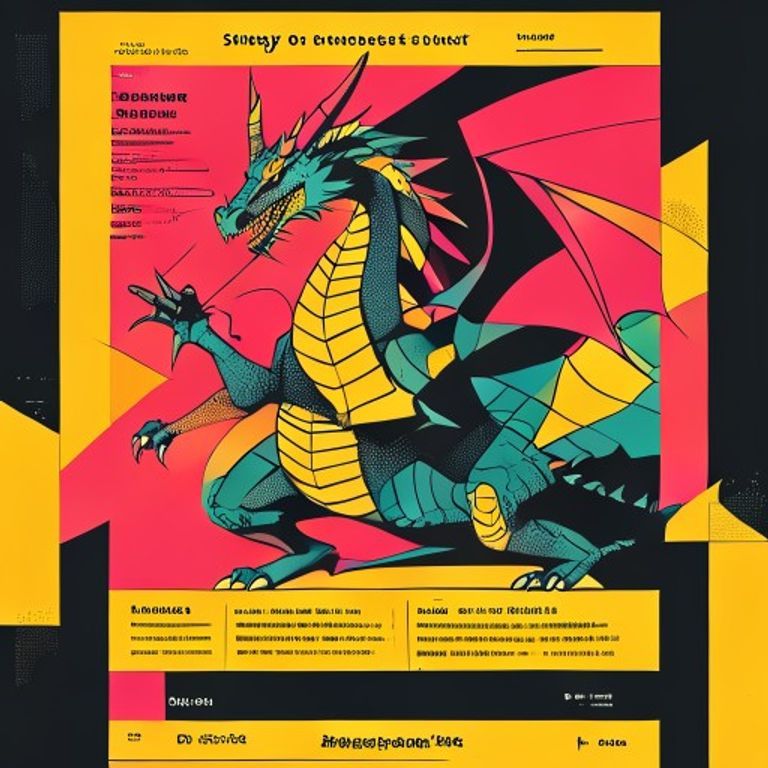
One clear target beats a crowded list. Pick the task that unlocks the most progress, then move.
The fastest way to kill momentum is to pretend every task matters equally. It doesn’t. Choose one primary target, make it visible, and let the rest wait their turn. That’s how you turn priority setting into actual action instead of just planning cosplay.
What is the easiest way to start when motivation is low?
The easiest way to start is to make the first move so small it feels almost ridiculous. If the whole task is “write the report,” your first move is not “finish the report.” It’s “open the doc and write the heading.” That tiny step lowers the entry cost, which is exactly what you need when your brain is trying to dodge the fight.
Here’s the thing: motivation usually shows up after action, not before it. So stop waiting to feel ready. Pick one starter skill, like a first turn in a boss battle, and commit to it.
💡 The 2-Minute Entry Rule
Is: a tiny first move that gets you into motion fast, like opening the spreadsheet, putting on running shoes, or drafting one bullet point.
Is Not: a fake productivity trick where you “prepare” for 20 minutes and still avoid the real task.
Use it to break inertia. Once you start, continuing gets easier because the friction is already broken.
Set a timer for 10 or 15 minutes and treat that as the whole mission. Not “I must finish this.” Just “I will work until the timer ends.” That short sprint is enough to create momentum, and it keeps decision fatigue from chewing up your morning. A clear limit makes the task feel survivable.
If you’re writing, your sprint might be: outline three bullets, then stop. If you’re cleaning, it might be: clear one desk, then stop. If you’re answering email, it might be: reply to the five messages that block everything else. Specific beats heroic.
But there’s a catch. A tiny move still fails if your environment is noisy. Before you begin, remove friction like you’re setting the battlefield: close extra tabs, silence notifications, put the phone in another room, and open the exact file or tool you need. Define the finish line too. “Work on project” is vague. “Draft the intro and save version one” gives your brain a target.
One client-style example: someone who kept avoiding a tax prep task started with a 12-minute sprint. First move: gather receipts into one folder. Second move: open the tax portal. That was it. The task didn’t become fun, but it stopped feeling like a dragon guarding the gate.
The result? You stop negotiating with yourself and start building momentum. That’s how priorities turn into action: one small move, one short sprint, one less reason to stall.
How do you build a repeatable priorities system?
Make one rule non-negotiable: your first task of the day is the hardest meaningful one. Not the easiest win. Not email. Not the “quick” Slack check that somehow eats 40 minutes. If you protect that first move, your priorities stop living in your head and start showing up in your schedule.
Here’s the thing. A good priorities system should work on low-energy days, not just heroic ones. Pick one dragon each morning, write it down, and define what “done” means in one sentence. For example: “Draft the proposal outline for client A by 10:30 a.m.” That gives you a clean target instead of a vague cloud of pressure.
💡 The 3-minute priority check
Before you touch messages, ask: What task would make today a win if I finished only one thing? Then do that first. If you need a backup, keep a short list of two other high-impact tasks so you never waste time deciding.
At the end of the day, review your first move. Did it match your real priorities, or did your inbox boss you around? This takes two minutes, and it gives you better data than vague guilt ever will. If you keep choosing the wrong first task, the problem usually isn’t discipline — it’s a system that’s too fuzzy or too ambitious.
That’s why the weekly reset matters. Once a week, look at what actually got done and adjust your setup. If your energy crashes by 3 p.m., don’t plan your hardest task for late afternoon. If you get bored fast, rotate your format: writing one day, calls the next, deep admin the day after. You’re not changing classes every day. You’re leveling up your character sheet after each quest so your strategy fits the way you really work.
A simple priorities system gets stronger when you review, adjust, and keep the first move clear.
The best priorities system is boring in the right way. One rule. One review. One weekly adjustment. That’s enough to cut decision fatigue, reduce friction, and keep your focus pointed at the task that matters most.
The fastest way to improve your priorities is to stop treating every task like it deserves equal attention. The hardest dragon usually guards the whole dungeon, which means if you beat that one first, everything else gets easier.
That’s the real move here: not doing more, but choosing better. When you build your day around the biggest threat first, you create momentum, reduce mental clutter, and give yourself a cleaner path through the rest of the quest log.
If motivation is low, start small, but start on the right target. One solid win against your hardest priority can carry more XP than five easy tasks you did just to feel busy.
💡 The real win
You do not need a perfect system to make progress. You need a repeatable way to spot the hardest priority, start before your brain negotiates, and keep that pattern alive long enough to matter.
A strong priorities system makes the hardest task easier to face because you already know what comes first.
So keep it simple: identify the dragon, attack it early, and let the smaller wins follow. That’s how you turn scattered effort into real progress, one decisive move at a time.
Ready to Turn Your Goals Into Quests?
RPGLife turns your daily goals into missions, tracks your XP, and helps you build a system that actually sticks. Join thousands already leveling up their real life one quest at a time.
Start Your AdventureFrequently Asked Questions
How do I know which priority is the hardest dragon?
Look for the task you keep avoiding, overthinking, or postponing because it feels high-stakes. That’s usually the one with the most resistance, which is often the one holding the rest of your day hostage.
What if I have too many priorities and everything feels urgent?
Pick the task that creates the biggest ripple effect if it gets done today. If two things seem equally urgent, choose the one with the highest consequence for delay and make that your first battle.
What is the best way to start when I have no motivation?
Make the first step tiny enough that your brain can’t argue with it. Open the document, write one sentence, or set a five-minute timer — the goal is to break the freeze, not finish the whole quest in one move.