Break the Comfort Zone: A Bold Growth Guide
Break the Comfort Zone: A Bold Growth Guide
Your comfort zone is getting stronger every time you choose the easy button. Food shows up at the door. Entertainment is one swipe away. Even avoiding a hard conversation takes less effort than ever.
That sounds harmless until you realize your brain starts treating effort like a threat. The result? Growth feels harder than it should, not because you’re weak, but because convenience has been training your nervous system to stay behind the walls.
Here’s the good news: you can retrain that system. This guide shows you why the comfort zone feels so sticky, what happens when you stop handing your life to the town guards, and how to build real growth without burning yourself out.

The comfort zone protects you from friction, but it also keeps the next quest out of reach.
Why does the comfort zone feel so hard to leave?
Because modern life is built to remove tiny challenges before you even notice them. You don’t have to walk across town for food, wait in line for a movie, or sit with boredom long enough to figure out what you actually want. The friction is gone, and with it goes a lot of your natural discomfort tolerance.
That matters more than people think. Small daily struggles used to teach your brain, “I can handle this.” When those moments disappear, your mind starts reading effort as unnecessary risk. A hard workout, a cold email, a new habit, or a delayed reward can feel weirdly threatening because your system has gotten used to instant relief.
That’s the trap of instant gratification. When every urge gets answered fast, you stop practicing patience, boredom, and delayed gratification. You don’t build the muscle for waiting, and then anything that requires it starts to feel like punishment instead of progress. That’s not a character flaw. It’s behavior change in reverse.
Think of the comfort zone as a security system. It’s supposed to protect you from real danger, not block every quest that requires effort. But when life gets too easy, the guards get overactive. They start ringing the alarm for ordinary growth moments: making the call, starting the project, going to the gym, saying no, asking for more.
And once avoidance becomes your default, motivation gets weird. You stop collecting evidence that you can handle hard things, so confidence building stalls. The less you test yourself, the smaller your world gets. That’s why comfort can look safe while quietly shrinking your identity.
💡 The real problem isn’t comfort
It’s overprotection. Your brain is trying to save energy and avoid pain, but if you never challenge that instinct, it starts making decisions for you. Growth begins when you prove that a little friction is safe.
This is where personal development gets practical. You don’t need a dramatic reinvention. You need a system that helps you step outside the walls on purpose, one small win at a time. That’s how you rebuild self-discipline, resilience, and the confidence that comes from doing hard things without falling apart.
In RPG terms, the town guards aren’t villains. They’re old habits trying to keep you safe. But if you want the next level, the next skill, and the next version of you, you have to learn when to walk past them instead of obeying them.
💡 Quick checkpoint
Ask yourself: where am I calling something “too hard” when it’s really just unfamiliar? That answer usually points straight at the edge of your comfort zone.
What happens when you stop choosing the easy button?
You stop collecting proof that you can handle hard things. That’s the real cost of the comfort zone: not pain, but absence. No evidence. No rep. No XP.
When you keep taking the shortcut, your brain learns a simple lesson: difficulty is optional, so avoid it. That sounds harmless until you notice the pattern everywhere — you delay the hard conversation, skip the workout, put off the application, and call it “waiting for the right time.” The result? Your confidence stays theoretical because it never gets tested.
Here’s the thing. Confidence isn’t a mood you wait for. It’s evidence you earn. Every time you dodge discomfort, you miss a chance to build that evidence. No new skill. No new resilience. No new identity. You stay the same character because you never enter the dungeon.
💡 The fastest way to grow confidence
Pick one small hard thing every day and finish it before noon. Send the email you’ve been avoiding. Do 10 minutes of the workout. Make the call. Tiny wins matter because they teach your nervous system that discomfort is survivable.
That’s where growth starts to shift emotionally. The first time you do something hard on purpose, it feels awkward. The second time, less so. By the tenth time, you’re not “the kind of person who avoids hard things” anymore. You’re someone who can feel the friction and still move.
That change matters because behavior follows identity. If you always choose the easy button, you reinforce the identity of someone who needs comfort before action. If you choose the harder path in small, repeatable ways, you start becoming someone who trusts themselves under pressure. That’s self-discipline with teeth.
Think of it like this: every skipped shortcut is experience points in courage. Not flashy. Not instant. But stack enough of those reps and you unlock a stronger class version of yourself — one with better discomfort tolerance, more resilience, and way less panic when life stops being convenient.
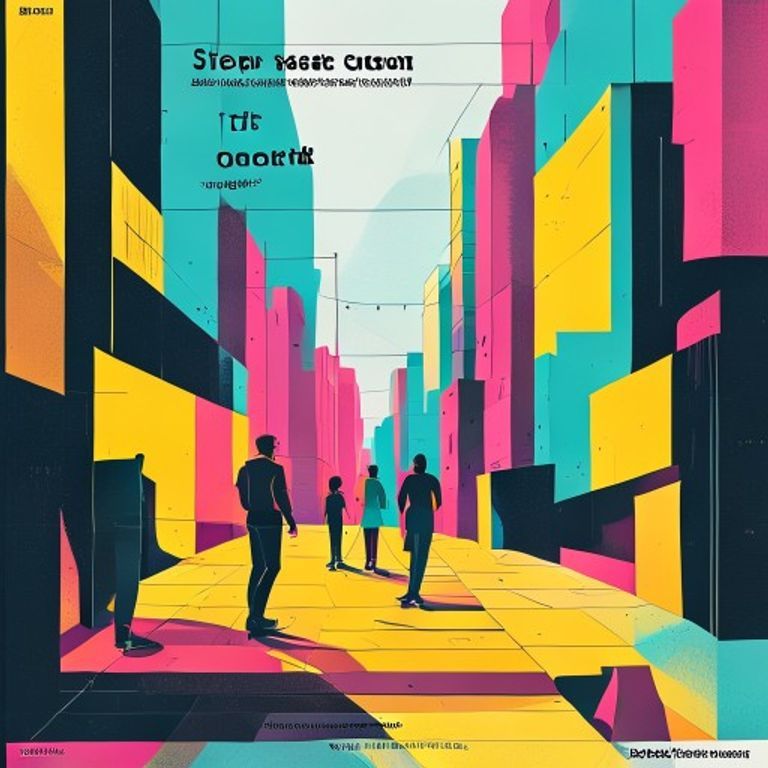
Small hard choices compound fast. You don’t need a dramatic transformation — you need repeatable proof.
Try this for one week: choose one uncomfortable action each day and keep it under 15 minutes. Make the ask. Submit the draft. Go for the run. The goal isn’t to feel brave. The goal is to act before your brain can negotiate you back into the safe lane.
How do you build growth without overwhelming yourself?
Start smaller than your ego wants. Real growth usually begins with tiny friction, not dramatic reinvention, because your nervous system needs proof that discomfort is survivable. If you try to sprint out of the comfort zone, you usually bounce right back in.
Here’s the move: add one small inconvenience on purpose. Walk to the store instead of auto-delivering lunch. Make one uncomfortable call you’ve been avoiding. Delay one impulse by ten minutes before you buy, snack, scroll, or quit. That ten-minute pause is a rep for self-discipline, and reps are how behavior change sticks.
💡 Tiny friction beats big promises
Pick one friction point you can repeat daily. The goal is not suffering. The goal is building discomfort tolerance in a way your brain can actually accept.
But there’s a catch. Not every challenge should feel equally hard. If everything is a boss battle, you’ll burn out fast. Use a simple progression system instead: easy, medium, hard.
Easy might be sending a text you’ve been putting off. Medium could be asking for feedback or speaking up in a meeting. Hard might be making the call, starting the project, or showing up where you feel a little out of place. The point is to scale the challenge with your current capacity, not your fantasy self.
Think of it like leveling up through side quests before the boss fight. Side quests build confidence, resilience, and momentum without wrecking your morale. Once you stack enough of them, the bigger challenge stops looking like a wall and starts looking like the next step.
💡 Make growth visible
Track every win, even the small ones. Write down the date, the challenge, and what you did anyway. After 14 days, you’ll have proof that your growth is real, which matters more than motivation when things get boring.
That’s the part most people miss: progress feels abstract until you can see it. A simple checklist, notes app, or habit tracker turns vague effort into visible XP. And once you can see the streak, you’re far more likely to protect it.
You don’t need to become fearless. You need a system that keeps you moving while fear is still in the room. That’s how you build confidence without overwhelming yourself, one small win at a time.
How do you keep moving past the guards for good?
You stop treating courage like a mood and start treating it like a rule. That’s the shift. The town guards never disappear, but you can become the kind of person who walks past them before your brain has time to negotiate.
Here’s the thing: most people lose to the comfort zone because they decide from scratch every day. Should I work out? Should I send the email? Should I do the hard thing now or later? That constant debate burns energy. Identity-based rules cut through that noise.
Identity rule: “I’m the kind of person who does hard things first.” Not a vague wish to be more disciplined. A clear standard that tells you what to do when resistance shows up. If you follow it for 10 mornings in a row, you’ve already built more momentum than a month of random motivation ever gave you.
Make the rule specific enough to act on. For example: “Before I check messages, I do 20 minutes of deep work.” Or: “I train three times a week, even if it’s only 15 minutes.” The smaller the rule, the easier it is to keep. The clearer the rule, the less room avoidance has to sneak in.
💡 Build a system that makes retreat harder
Use a 30-day streak, a daily check-in with one friend, or a public commitment posted on Monday. When you know someone will ask, “Did you do the thing?”, backing out stops feeling automatic. Accountability doesn’t create discipline for you — it makes discipline easier to repeat.
The next level is how you handle setbacks. Don’t label a bad day as failure. Label it as data. Missed the workout? Maybe the time was wrong. Froze during the presentation? Maybe you needed one more rehearsal. That’s not defeat. That’s feedback for the next quest.
A lot of growth dies because people treat one slip like a full wipe. But resilience is built by recovery speed. The hero doesn’t win because they never get hit. They win because they keep moving after the hit, adjust their strategy, and try again with better information.
The guards stay. Your response changes. That’s how habit change turns into lasting growth.
If you want this to stick, review every setback with one question: “What will I do differently next time?” Not “Why am I like this?” That one question keeps you in the game. It turns discomfort tolerance into a skill, confidence building into a habit, and the comfort zone into something you pass through instead of live inside.
That’s the real win. Not becoming fearless. Becoming consistent. The town guards never disappear, but you become the kind of hero who walks past them anyway — and every time you do, your comfort zone gets a little smaller and your growth gets a lot bigger.
What to remember when you step past the comfort zone
The big shift is simple: growth does not start when you feel ready. It starts when you stop treating the comfort zone like a safe base and start treating it like a place you visit, not a place you live.
You do not need a dramatic leap. You need a repeatable pattern of small moves, honest feedback, and enough momentum to keep walking past the town guards one step at a time. That is how real progress works, and it is how you build confidence that actually sticks.
Keep going long enough, and the scary edge of your comfort zone becomes familiar territory. That is the real win: not becoming fearless, but becoming the kind of person who knows how to move anyway, quest after quest.
Ready to Turn Your Goals Into Quests?
RPGLife turns your daily goals into missions, tracks your XP, and helps you build momentum without burning out. Join thousands of people already leveling up real life one clear win at a time.
Start Your AdventureFrequently Asked Questions
How do I step past the town guards when my comfort zone feels too strong?
Start smaller than you think you need to. Pick one action that feels mildly uncomfortable, then do it daily until the resistance drops. The goal is not to smash through the guards in one move; it is to keep showing up until they stop looking so intimidating.
What is the best first step for breaking out of the comfort zone?
Choose one area where you keep choosing the easy button, then make the next action obvious and tiny. For example, if you want to get fit, do a 10-minute walk instead of planning a perfect workout. Small wins build proof, and proof builds confidence.
How do I keep growing without getting overwhelmed?
Use a pace you can repeat, not a pace that looks impressive for three days. One focused challenge at a time is enough when you track progress and recover properly. That keeps growth sustainable instead of turning it into a burnout boss battle.