Pain and Resilience: Turn Suffering Into Strength
Pain and Resilience: Turn Suffering Into Strength
Pain is going to hit you. That part is non-negotiable. But pain and suffering are not the same thing, and that difference decides whether a hard season drains you or builds resilience.
Here’s the thing: the first hit is often unavoidable. The second hit is what you do with it. That’s where mental toughness, grit, and inner strength actually show up.
This article is about that gap. Not fake positivity. Not pretending adversity feels good. Just the practical truth that emotional pain, setbacks, and hardship can either become a debuff that lingers or a source of post-traumatic growth if you respond the right way.

Pain lands fast. What happens next depends on how quickly you stop feeding the story and start moving.
Why is pain unavoidable but suffering optional?
Pain is the raw signal. It’s your body, your emotions, or your life telling you something real is happening. A breakup hurts. A rejection stings. A pulled muscle, a lost job, a brutal diagnosis, a humiliating mistake — all of it counts. None of that needs your permission.
Suffering is different. Suffering is what happens when pain gets wrapped in resistance, rumination, and identity attachment. You stop saying, “This hurts,” and start saying, “This shouldn’t be happening to me,” or worse, “This means I’m broken.” That extra layer is where the damage multiplies.
Is: pain is the signal. It’s the damage taken in battle, the sharp feedback that shows where life hit hard. Is not: suffering is not the signal itself. It’s the lingering debuff that grows when you keep replaying the hit, arguing with reality, and attaching your whole identity to the wound.
That distinction matters because acceptance saves energy. Not surrender — acceptance. When you stop wasting XP on denial, you can spend it on action. You can ask better questions: What happened? What needs to be repaired? What’s the next controllable move?
Think of it like this: pain is the boss battle. Suffering is standing in the arena after the fight, still swinging at the empty air. You don’t get stronger from that. You just get tired.
💡 Fast Reality Check
When pain hits, name only the facts for 60 seconds. “I got rejected.” “My back hurts.” “I’m grieving.” No story, no verdict, no identity speech. That tiny reset cuts rumination fast and gives you room to choose a useful next step instead of feeding the suffering loop.
This is where resilience starts. Not with pretending you’re fine, but with refusing to make pain mean more than it does. The moment you separate the event from the story, you get your agency back. And agency is where healing, self-discipline, and real recovery begin.
The goal isn’t to become numb. It’s to become clear. Clear enough to feel the hit, drop the extra weight, and keep moving.
How do you turn pain into resilience instead of defeat?
The fastest way to waste pain is to treat it like random punishment. The smarter move is to treat it like training data. Pain tells you what needs to change, what needs to heal, and what you’ve been ignoring for too long.
If your back hurts after sitting for 10 hours, that’s not just discomfort — it’s information. If a breakup leaves you spiraling, that emotional pain is showing you where your boundaries, expectations, or attachment patterns need work. Resilience starts when you stop asking, “Why me?” and start asking, “What is this teaching me?”
💡 Pain becomes useful when you name the lesson
Action step: After a setback, write three lines: what happened, what it exposed, and what you’ll do differently next time. That simple reset turns emotional pain into a plan instead of a loop.
Here’s the thing. Resilience isn’t built in dramatic moments. It’s built by stacking tiny wins when you don’t feel like it. One walk. One honest conversation. One page read. One workout completed at 60% effort instead of skipping the whole day.
That repetition matters because your nervous system learns through proof, not promises. If you keep showing up for the next quest — even a small one — your brain starts to believe, “I can handle hard things.” That’s how grit gets built. Not in theory. In reps.
A simple example: someone recovering from a rough job loss might set a 7-day resilience streak. Day 1: update the resume for 20 minutes. Day 2: send one application. Day 3: take a 15-minute walk instead of doomscrolling. By Day 7, they’re not “fixed,” but they’ve already built momentum. That’s real progress.
💡 Your self-talk is either armor or a wound
When setbacks hit, don’t say, “I always fail.” Say, “This is one battle, not my whole story.” That shift matters. It keeps one bad moment from becoming your identity, and it gives you room to recover with dignity.
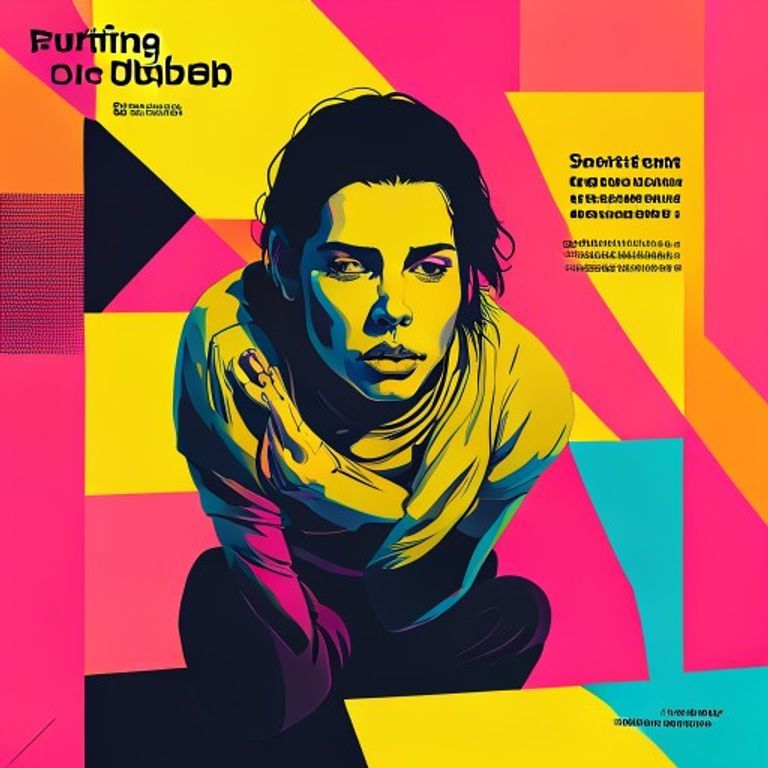
Small wins look minor in the moment, but they’re how your endurance stat quietly goes up.
And don’t underestimate self-talk. The words you use after a setback can either harden you or hollow you out. If you say, “I’m weak,” you’ll act like it. If you say, “I’m learning how to handle this,” you stay in the fight.
That’s the real shift: pain stops being the end of the quest and starts becoming part of your leveling system. Every hit can level up your endurance stat if you keep showing up for the next quest.
What should you do in the moment when pain hits hard?
First, stop trying to solve your whole life in the middle of a bad moment. When pain hits hard, your brain loves to sprint straight into worst-case stories: “This will never get better.” That story feels true, but it’s usually just emotional overload talking.
Here’s the thing. The fastest way to protect your resilience is to name what’s happening without dressing it up. Say it plainly: “I feel rejected.” “I’m embarrassed.” “I’m in physical pain and I’m overwhelmed.” Naming the pain cuts the spiral. It turns a foggy threat into something your mind can actually hold.
💡 Quick recovery skill
Is: a 30-second reset that helps you regain agency when your HP drops. Is not: pretending you’re fine or forcing positivity. The goal is not to erase pain. The goal is to keep pain from driving the whole quest.
Then pick one controllable next action. Not ten. One. If you got bad news, send one clarifying text. If your chest feels tight, drink a glass of water and sit down. If you’re spiraling after an argument, step outside for two minutes and don’t keep arguing in your head. Tiny actions restore agency, and agency is the raw material of mental toughness.
A useful rule: choose the next move you can finish in under five minutes. That might be writing three bullet points in a journal, washing your face, or putting on shoes and walking to the end of the block. Small enough to do. Strong enough to shift your state.
How do you interrupt the emotional overload?
Use a grounding habit before you try to think your way out. Breath is the fastest reset for a lot of people: inhale for 4, exhale for 6, repeat five times. That longer exhale tells your nervous system the boss battle is not an ambush.
Movement helps too. Walk for 3 minutes. Shake out your hands. Do 10 slow squats. Physical motion gives your mind something concrete to follow, which matters when emotional pain is loud and messy. Journaling works the same way: write one sentence starting with “Right now, I feel…” and one sentence starting with “The next thing I can control is…”
Think of it like this: when your HP drops, you don’t charge the next enemy bare-handed. You use a quick recovery skill, stabilize, then choose your next move. That’s not weakness. That’s strategy.
💡 The 3-step reset
1. Name the pain. 2. Pick one controllable action. 3. Ground your body with breathing, movement, or journaling. Do this before you decide what the pain “means.”
That sequence matters because it keeps suffering from multiplying itself. You’re not denying the hit. You’re refusing to let one hit define the whole run.
How can you use suffering as fuel for long-term growth?
You stop treating pain like random damage and start treating it like a quest with a reward. That reward might be protecting your family, mastering a skill, or proving to yourself that you can carry more than you thought. When your suffering has a purpose, it stops feeling like a dead end and starts becoming evidence of inner strength.
Here’s the thing: suffering without meaning drains you. Suffering with meaning builds resilience. A parent studying for a certification after a brutal workday isn’t just “pushing through.” They’re building a future that gives their kids more options. That’s not abstract motivation. That’s fuel.
💡 Give the pain a job
Pick one purpose for this season of hardship and write it down in one sentence. Examples: “I’m training so my body can carry me for the next 20 years,” or “I’m building this business so my family has stability.” When pain has a job, it becomes easier to endure and harder to waste.
Next, track progress like a player watching their XP bar move. Hard seasons lie to you. They make you think nothing is changing when, in fact, you’re getting stronger every week. Keep a simple log with three numbers: sleep hours, workout days, and one win from the day. After 30 days, you’ll have proof that you’re not stuck — you’re adapting.
That proof matters. If you can point to 12 workouts, 18 pages written, or 8 days of showing up when you wanted to quit, your brain has to update its story. The setback wasn’t the ending. It was the training arc.
The strongest builds aren’t made in easy seasons. They’re forged when you keep stacking small wins through hard ones.
But there’s a catch. You can’t do this alone forever. Build a support system that keeps your momentum from collapsing when motivation drops. That might mean one friend who checks in twice a week, a therapist, a coach, or a group chat where you post your daily win. Pair that with routines so your life keeps moving even when your mood doesn’t.
Think of it like this: pain is the boss battle, but your routines are the gear, and your support system is the party that keeps you alive long enough to win. Ten minutes of journaling, a 20-minute walk, and a fixed bedtime may sound small. Over 90 days, those habits become a character build that can take a hit and still keep going.
💡 Turn hardship into momentum
Use a weekly review to answer three questions: What hurt? What did I do anyway? What got easier? That one habit turns suffering into data, and data turns chaos into progress.
That’s how pain becomes long-term growth. You give it meaning, measure the XP, and surround yourself with systems that keep you moving. The result is a version of you that’s not just surviving adversity — it’s carrying the loot forward.
Conclusion: pain is real, but suffering is the part you can train
Here’s the core truth: pain shows up whether you want it or not, but suffering grows when your mind starts spinning the hit into a story about who you are. That’s the trap. The moment you stop treating every hard moment like a verdict, you get room to respond instead of collapse.
That shift is where resilience starts. You don’t need to pretend things are fine. You need to stay in the fight long enough to convert pain into information, then information into action. Think of it like taking damage in a boss battle: the hit matters, but your next move decides whether the fight ends there.
You can’t stop every blow, but you can stop handing pain extra power. That’s the skill. And once you build it, you stop surviving by accident and start leveling up on purpose.
Ready to Turn Your Goals Into Quests?
RPGLife turns your daily goals into missions, tracks your XP, and helps you build momentum even when life hits hard. Join thousands already turning ordinary routines into a real-life leveling system.
Start Your AdventureFrequently Asked Questions
How is pain different from suffering?
Pain is the raw hit: physical, emotional, or mental. Suffering is what happens when your mind keeps replaying that hit, adding fear, resistance, or hopelessness on top. Pain may be unavoidable, but suffering is often the extra debuff you can learn to reduce.
How do you stop suffering when pain hits hard?
Start small: breathe, name what’s happening, and focus on the next useful action. Don’t try to solve your whole life in one moment. When pain spikes, your job is to stabilize the character sheet before you plan the next quest.
Can suffering really be turned into resilience?
Yes, if you use it as feedback instead of identity. Repeated hard moments can teach patience, discipline, and emotional control when you respond with intention. Over time, that turns pain into proof that you can take a hit and keep moving.